
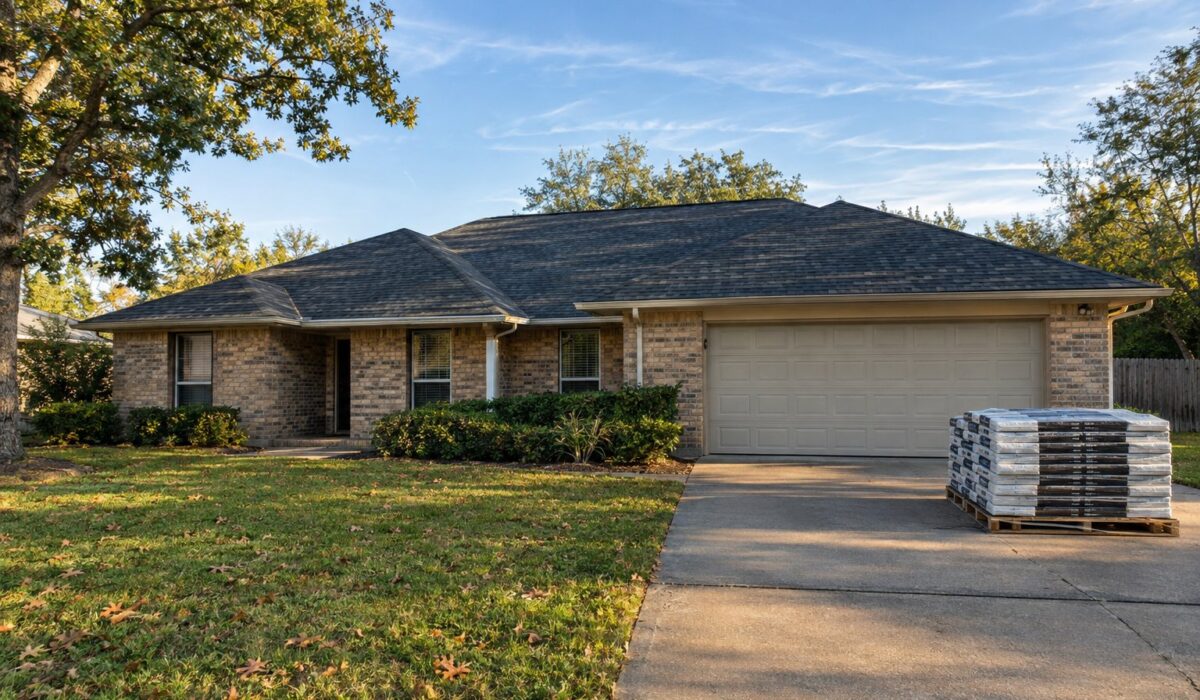
Most Houston homeowners don’t get to choose when a roof fails. When there’s a choice, though, timing makes a real difference to how smoothly a replacement goes, how fast the crew works, and how well the new shingles bond in their first weeks. For homeowners asking about the best time to replace a roof in Houston, the weather data points to a clear answer.
The DC Pines Education Center pulled the official climate normals for Houston and the shingle manufacturers’ own installation guidance to show how each season affects a roof replacement and how to plan around it.
The Short Answer: Fall, With Spring a Close Second
For most homes, October and November are the best time to replace a roof in Houston. Temperatures are warm enough for shingle sealant to activate but no longer punishing for crews or materials, and rain tends to come in fewer, separate events. Late winter and spring work well too. Mid-summer is still workable, but it’s the hardest season on everyone involved.
What Houston Weather Data Shows
The National Weather Service publishes 1991–2020 climate normals for Houston Intercontinental Airport on its Houston IAH normals and summaries page. A few numbers stand out for roofing:
- Heat: The average high is 94.5°F in July and 94.9°F in August. By October it drops to 82.8°F, and November averages 72.6°F.
- Winter: January averages a 63.8°F high and a 43.7°F low, so most winter days are mild enough to roof.
- Rain totals: October averages 5.46 inches of rain, second only to June at 6.00 inches.
- Rain days: NOAA’s monthly normals summary for the same station shows October averages only 7.7 days with measurable rain. Only April (7.3) and November (7.6) average fewer.
That last point matters most for scheduling. A crew can work around a heavy rain that comes on a single day. What stalls a replacement is a week of scattered showers, and October typically delivers its rain in fewer, bigger events.
Why Summer Is the Hardest Season
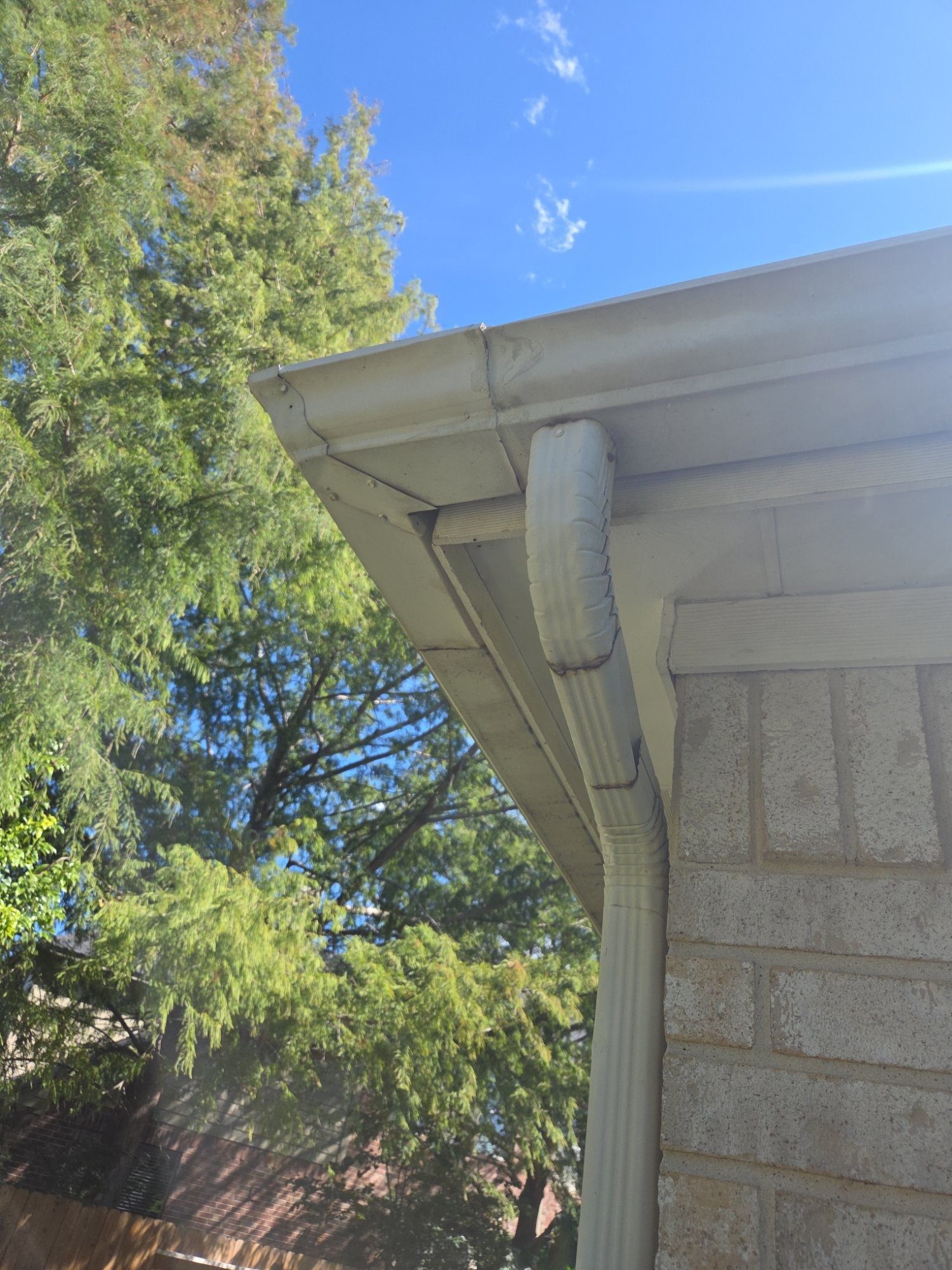
A roof can be replaced in July, but heat changes how the job runs. Shingles get soft on a hot deck and can scuff or show foot traffic marks if crews walk on them. Malarkey’s technical bulletin on installation conditions advises installing in the morning on hot summer days and following the shade for the rest of the day. That shortens the effective workday. Attic work like replacing decking or adding ventilation is also slower and harder on crews when attic temperatures peak in the afternoon.
Can a Roof Be Replaced in a Houston Winter?
Yes. Asphalt shingles use a heat-activated sealant strip that bonds each course to the one below. GAF’s guidance on cool-weather installation says the strip needs warmth, sun, and temperatures above 40°F to activate, and calls for hand-sealing when it’s colder than that. Houston winter days are usually well above that mark. A run of cool, cloudy weeks can still slow the bonding, which is why a careful installer watches the forecast and hand-seals rakes and other exposed edges when conditions call for it.
Rain: The Variable That Matters Most
No season in Houston is dry, so the real question is how the crew handles an open roof. On a DC Pines Roofing install day, tear-off moves fast on purpose. The sooner the old roof is off and the deck has been inspected, the less time the home spends without a weather barrier. Underlayment goes down the same day the deck is exposed, and self-adhered membrane goes into valleys and around penetrations before shingles are installed. The Education Center’s walkthrough of a DC Pines install day covers each step.
How to Plan a Fall Replacement
A good fall replacement usually starts several weeks earlier:
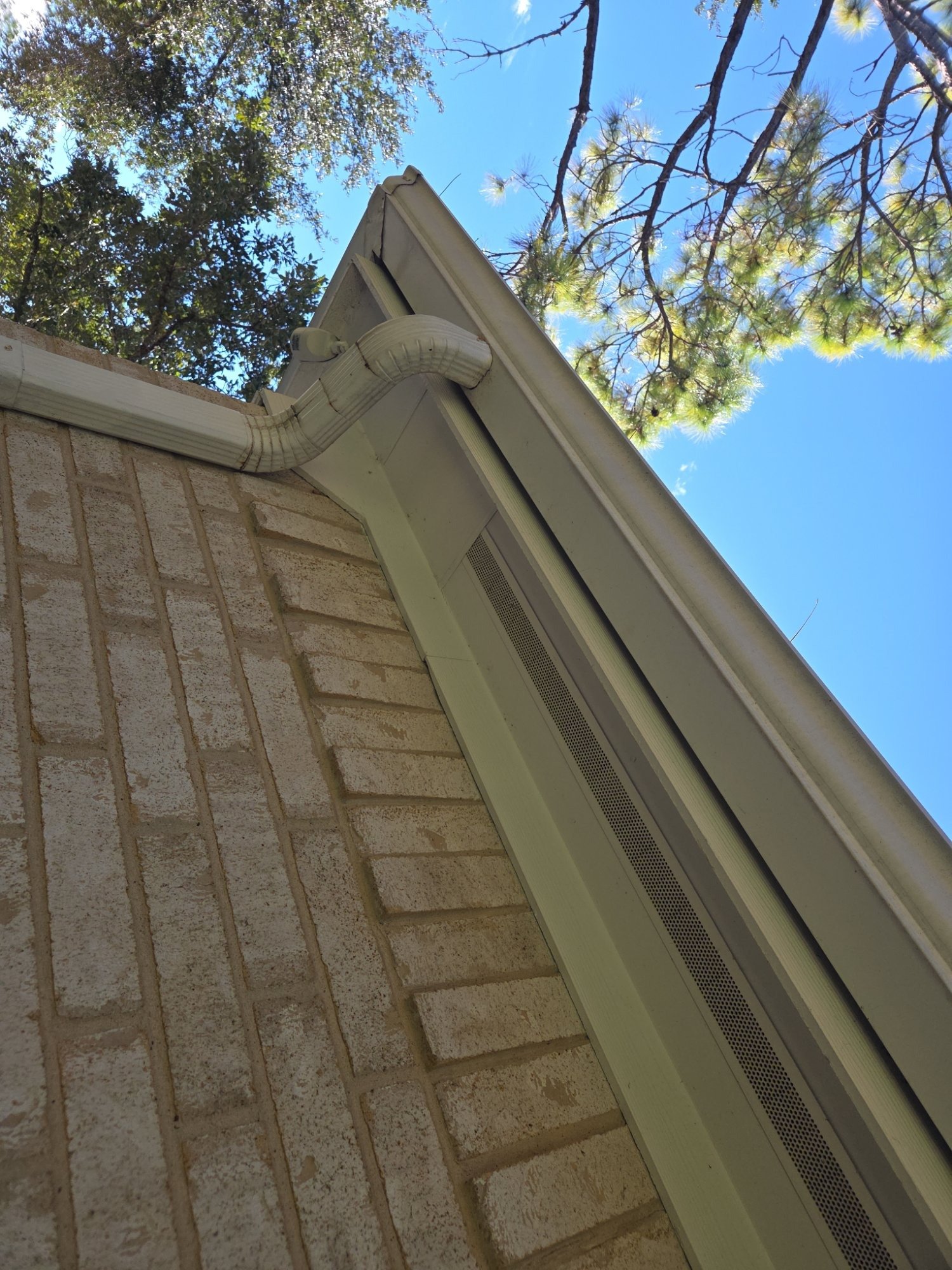
- Schedule the inspection first. DC Pines inspections follow a guided photo checklist that walks each elevation, the eaves and soffit vents, the gutter lines, and the roof surface. That way the estimate is built on documented conditions, not guesses.
- Compare complete bids. The Education Center’s guide to reading a Houston roofing estimate shows which line items belong on a full replacement.
- Vet the contractor. Fall is a busy season, so the contractor vetting checklist is worth a few minutes before signing.
- Allow for HOA approval. Deed-restricted neighborhoods often require color approval before work starts. The Woodlands roof and gutter guide walks through one common example.
Frequently Asked Questions
What is the best month to replace a roof in Houston?
October and November are usually the best months. Average highs fall into the 70s and low 80s, and both months average fewer days with measurable rain than most of the year.
Is it bad to replace a roof in the Houston summer?
It isn’t bad, but it is harder. Hot shingles scuff more easily, crews work earlier and follow the shade, and attic work slows down in peak afternoon heat.
Can shingles be installed when it’s cold in Houston?
Yes. Manufacturers generally want temperatures above 40°F for the sealant strip to activate on its own. Below that, or in long cool spells, shingles should be hand-sealed.
What happens if it rains during a roof replacement?
A well-run crew keeps the open area small and gets underlayment down the same day the deck is exposed, so a passing shower doesn’t reach the home.
How far ahead should a Houston homeowner schedule a roof replacement?
Plan several weeks ahead. That leaves time for an inspection, comparing bids, picking a shingle color, and any HOA approval before the install date.
The Bottom Line
Houston allows roofing year-round, but the weather data favors fall: milder heat, fewer rain days, and enough warmth for shingles to seal properly. Homeowners who start with an inspection in early fall can usually have a new roof installed in the best weather window of the year.
Written by the DC Pines Education Center for Jeff Ternois, Army veteran and owner of DC Pines Roofing.
Planning a fall roof replacement in Houston?
DC Pines Roofing starts every project with a documented inspection, so the estimate and the install schedule are built on what the roof actually needs.

Jeffrey Ternois
Jeff Ternois is the owner and founder of DC Pines Roofing, a veteran-owned roofing, gutter, and window company in Houston. A former U.S. Army Infantry Captain, he led an infantry platoon in Afghanistan and was awarded the Bronze Star Medal and the Combat Infantryman Badge. After the Army he earned an MBA focused on real estate and learned homebuilding from the studs out before founding DC Pines. DC Pines Education Center guides are published under his direction.