
A roof inspection in Houston should do more than confirm that the shingles are still there. A useful inspection documents the whole roof system: the shingle surface, the ridge, every vent and pipe, the flashing at walls and chimneys, the eaves and soffits, and the gutters that carry water away. The DC Pines Education Center wrote this guide to explain what a thorough inspection covers, what a free roof inspection should include, and how homeowners can tell whether the visit was worth their time.
Houston roofs age in a particular way. Long stretches of intense sun dry out shingles and rubber seals, humidity keeps shaded slopes and wood edges damp, and heavy rainfall finds any weak point quickly. An inspection that only glances at the roof from the driveway misses most of that.
What a Roof Inspection in Houston Should Cover
A complete inspection works from the outside in. It starts at ground level, moves onto the roof surface where it is safe to walk, and ends with clear documentation. At minimum, it should look at:
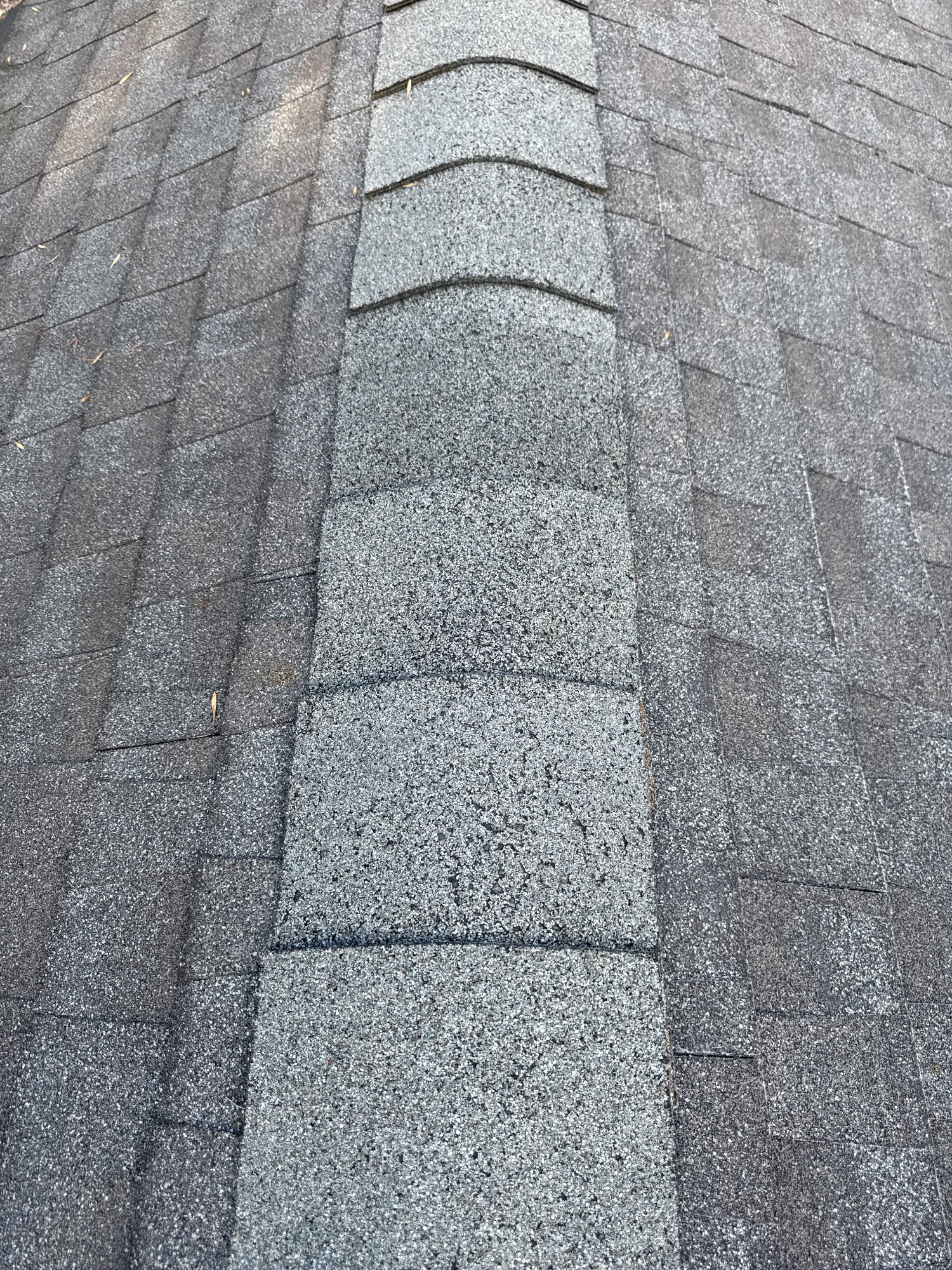
- Shingle surface. Granule loss, cracking, curling, lifted or unsealed tabs, and exposed nail heads.
- Ridge and hips. Cap shingles that are cracked, loose or missing their sealant.
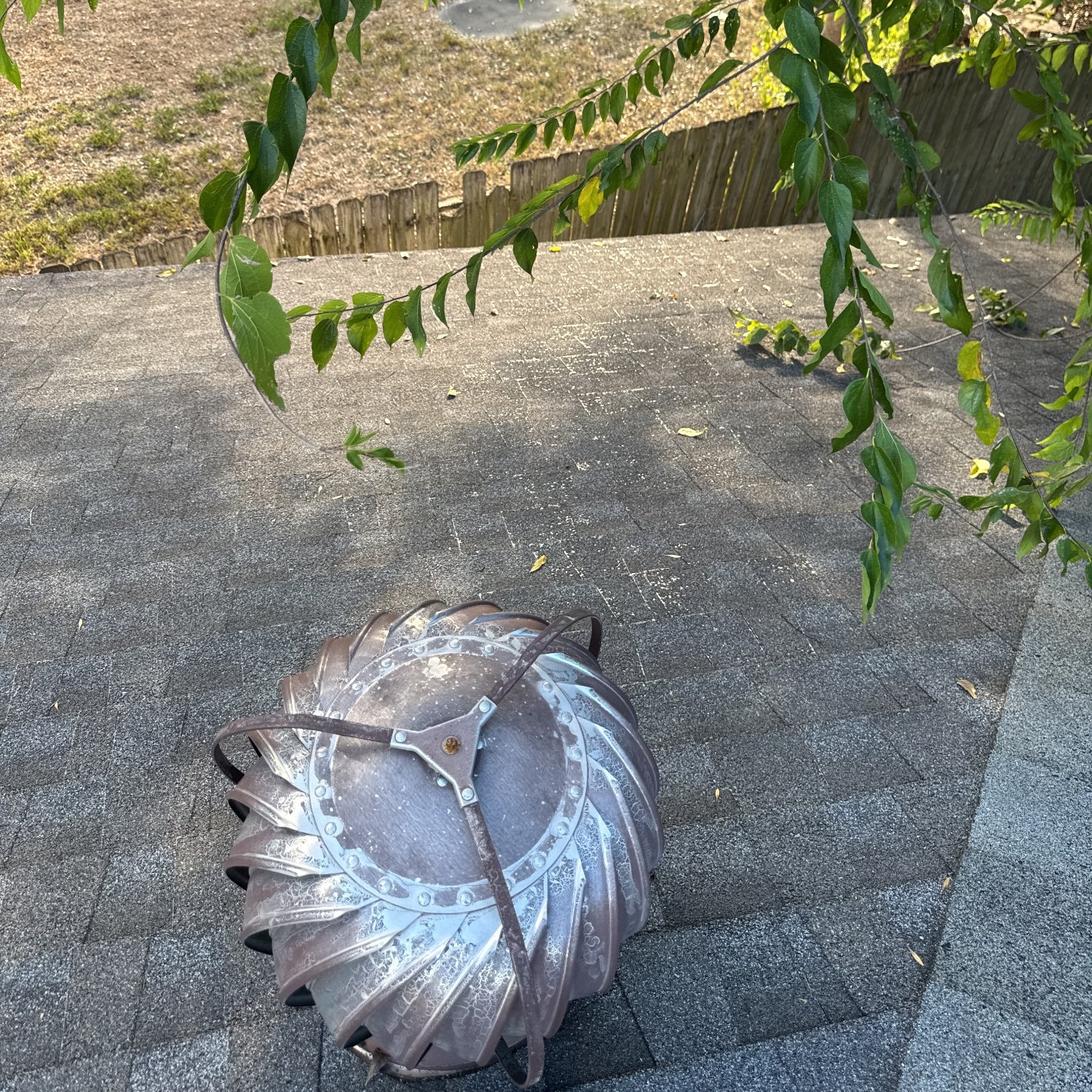
- Penetrations. Pipe boots, exhaust vents, turbines and skylights, and the flashing around each one.
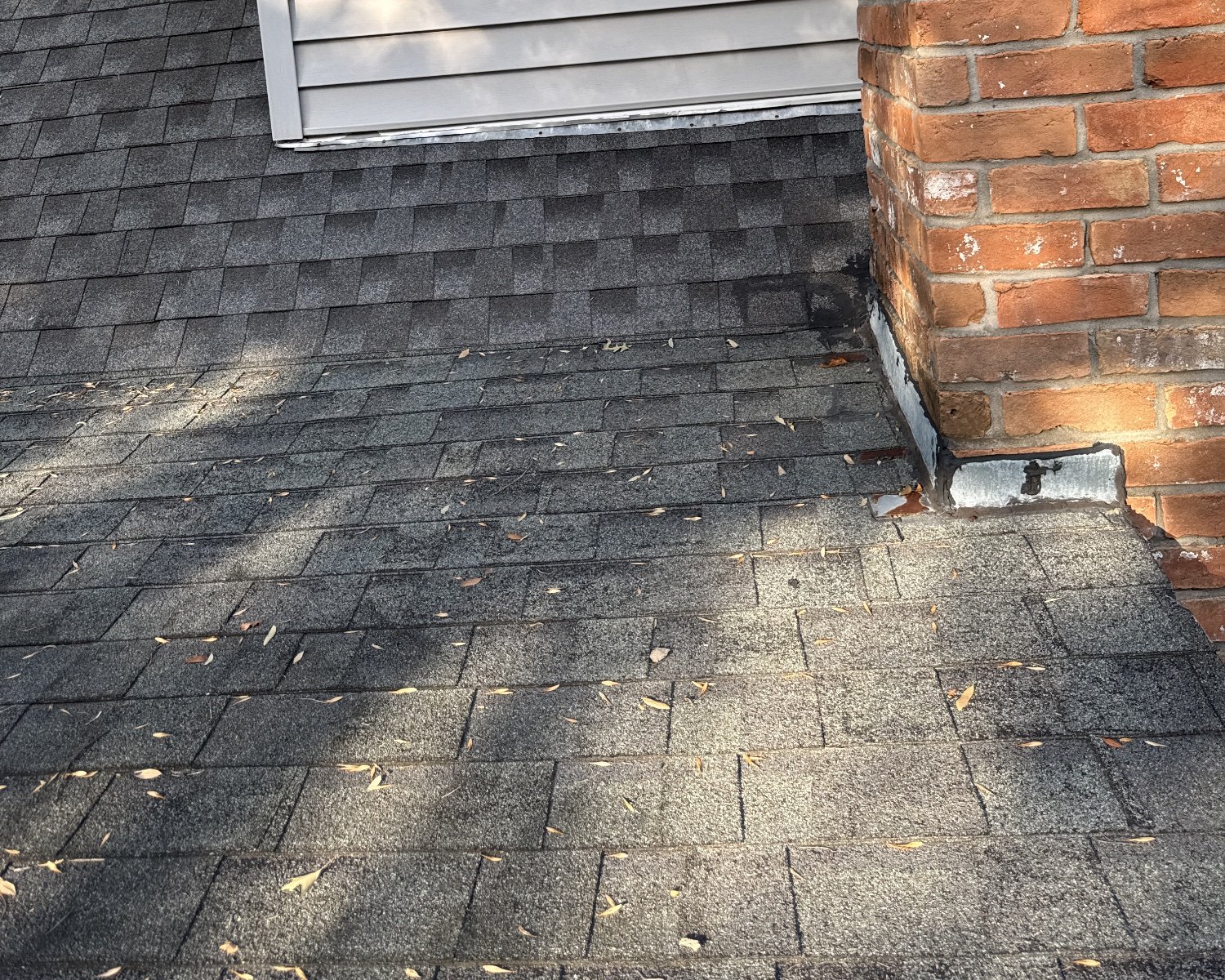
- Wall and chimney flashing. Step flashing and counter-flashing where the roof meets siding or brick.
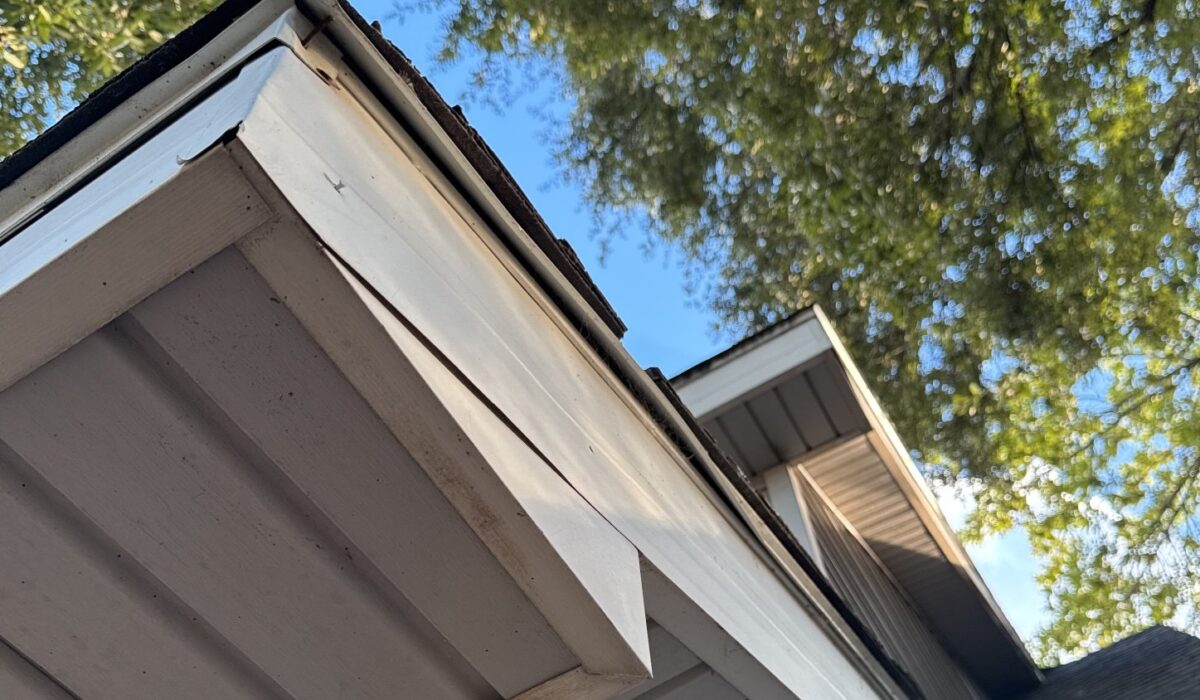
- Edges and eaves. Drip edge, fascia, soffit vents and any soft or stained wood.
- Gutters and downspouts. Debris, sagging sections, leaking seams and water that empties next to the foundation.
- Ventilation. Whether intake and exhaust vents are present, open and working together.
How DC Pines Documents an Inspection
DC Pines Roofing uses a guided photo checklist on every inspection so that no part of the house gets skipped. The crew photographs each side of the home, the eaves and soffits, the gutters, the roof surface, the ridge, and each vent, pipe and chimney. A pitch gauge is set on the shingles and photographed so the slope used in any estimate is tied to a real measurement on that roof.
Those photos are then walked through with the homeowner. Most people never see their own roof up close, and a photo of a cracked ridge cap or a rusted vent base explains a problem better than any description. It also gives the homeowner a dated record of the roof’s condition that is useful later, whether the next step is a small repair, a full replacement, or simply waiting.
What Licensed Home Inspectors Check, and What They Skip
Many homeowners first see a roof report during a home purchase. In Texas, real estate inspectors follow the Texas Real Estate Commission Standards of Practice. Under Section 535.228, the inspector must inspect the roof covering from the roof surface and report deficiencies in fasteners, adhesion, roof covering materials, flashing details, skylights and other penetrations.
The same rule also lists what the inspector is not required to do. That includes walking the roof when it cannot be done safely, determining the remaining life expectancy of the roof, and determining how many layers of roofing are on the house. A buyer’s inspection is valuable, but it is a minimum standard for a whole-house report. A roofing contractor’s inspection should go deeper on the roof itself, including remaining life and layer count when those affect the homeowner’s decision.
Flashing, Vents and Other Common Problem Areas
On Houston homes, the most common findings are rarely in the middle of a slope. They show up where materials change. Rubber pipe boots crack in the sun, which the Education Center’s pipe boot guide covers in detail. Older turbine vents rust at the base. Step flashing behind siding or brick can loosen, and where a lower roof meets a second-story wall, water has a direct path inside if that flashing fails.
Ventilation is the other quiet issue. An attic that cannot breathe holds heat and moisture, which shortens shingle life and stresses the deck from below. The attic ventilation guide explains how intake and exhaust vents should work together.
What a Free Roof Inspection Should Include
A free roof inspection is common in Houston, and there is nothing wrong with that as long as the inspection is real. A good free inspection should still include time on the roof when it is safe, photos of what was found, a plain explanation of each issue, and an honest answer about whether anything needs to be done now. If the only result is a pitch for a new roof with no photos to support it, that is a sales visit, not an inspection.
The National Roofing Contractors Association recommends that homeowners have their roof systems inspected at least twice a year, preferably in spring and fall. Homeowners comparing contractors can use the contractor vetting checklist, and those already facing a replacement can review what drives roof replacement cost in Houston.
Frequently Asked Questions
How often should a Houston roof be inspected?
The NRCA recommends at least twice a year, preferably in spring and fall. A roof that is older or has had past leaks benefits from staying on that schedule.
How long does a roof inspection take?
It depends on the size and complexity of the roof. A thorough inspection takes long enough to photograph every side of the home and every penetration, not just a quick look from the ground.
Is a home inspector’s roof report the same as a roofer’s inspection?
Not quite. Texas home inspectors follow state minimum standards and are not required to estimate remaining roof life or count layers. A roofing contractor can go further on those questions.
Should the homeowner get photos after a roof inspection?
Yes. Photos show exactly what was found and where, and they create a record of the roof’s condition on that date.
Does an inspection always lead to a recommendation for a new roof?
No. Many inspections end with a small repair, routine maintenance, or no work at all. The findings should drive the recommendation.
The Bottom Line
A roof inspection in Houston is worth the homeowner’s time when it covers the full system, from shingles and ridge to vents, flashing, eaves and gutters, and backs every finding with a photo. Asking for that level of documentation is the simplest way to separate a real inspection from a sales visit.
Written by the DC Pines Education Center for Jeff Ternois, Army veteran and owner of DC Pines Roofing.
Want a roof inspection with photos of every finding?
DC Pines Roofing follows a guided photo checklist on every inspection and walks through each photo with the homeowner.

Jeffrey Ternois
Jeff Ternois is the owner and founder of DC Pines Roofing, a veteran-owned roofing, gutter, and window company in Houston. A former U.S. Army Infantry Captain, he led an infantry platoon in Afghanistan and was awarded the Bronze Star Medal and the Combat Infantryman Badge. After the Army he earned an MBA focused on real estate and learned homebuilding from the studs out before founding DC Pines. DC Pines Education Center guides are published under his direction.