
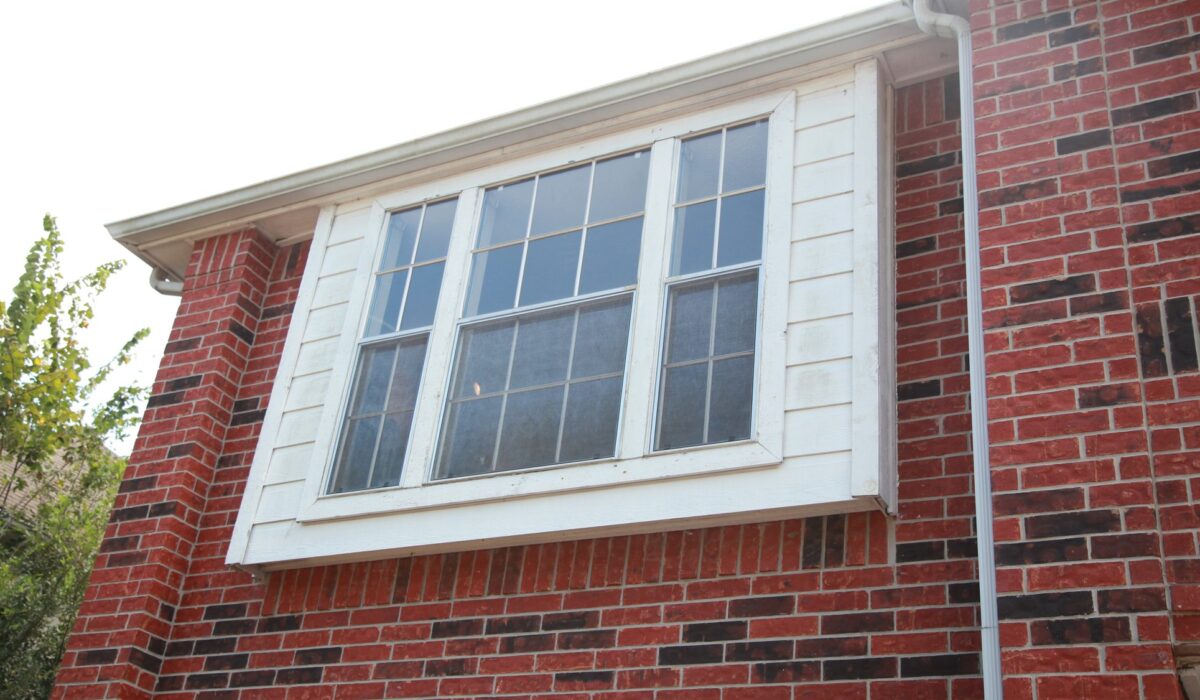
When a west-facing bedroom turns into an oven every afternoon, residential window tinting in Houston is often the first fix homeowners look up. Film is fast and costs far less than new windows, so it is a fair question. The DC Pines Education Center wrote this guide to explain what window film actually does, where it works well, where it falls short, and when Low-E replacement windows are the better answer for a Houston home.
The short version: film is a useful patch on sound windows with a heat or glare problem. It does not fix failed seals, leaky frames or drafty sashes, and it cannot match a window built from the factory for southern sun.
Why Houston Windows Let In So Much Heat
Most of the summer heat that comes through a window arrives as sunlight, not as warm air. According to the U.S. Department of Energy’s Energy Saver guide to window coverings, in cooling seasons about 76% of the sunlight that falls on standard double-pane windows enters to become heat. In a city where the air conditioner runs most of the year, that is a large share of the cooling load.
The number that measures this is the solar heat gain coefficient, or SHGC. It runs from 0 to 1, and a lower number means less solar heat gets through. The Education Center’s SHGC and U-factor guide explains how to read it on a window label.
Does Residential Window Tinting in Houston Work?
It can, within limits. Sun-control film is a thin layer applied to the inside of existing glass. Good films reduce glare, reduce the ultraviolet light that fades floors and furniture, and lower the solar heat that passes through. The Department of Energy’s Energy Saver Guide suggests sun-control or reflective films for east- and west-facing windows, which are the hardest to shade in Houston, and notes that films are rated by the NFRC, the same group that rates windows.
Film works best when:
- The windows are in good shape, with intact seals and frames that close tightly.
- The problem is a few specific rooms or elevations, not the whole house.
- Glare, fading or privacy matters as much as heat.
- The homeowner plans to keep the current windows for several more years.
Where Window Film Falls Short
Film only changes the glass. It does nothing for a frame that leaks air, a sash that rattles, or a double-pane unit whose seal has already failed and is fogging between the panes. Darker tints also cut the daylight and view that homeowners bought the windows for. Guidance from the Department of Energy’s Federal Energy Management Program notes that tinting reduces the ability to see clearly through the glass and does not recommend it for residential buildings. The same guidance says spectrally selective Low-E coatings reduce summer heat gain without significantly affecting visible light.
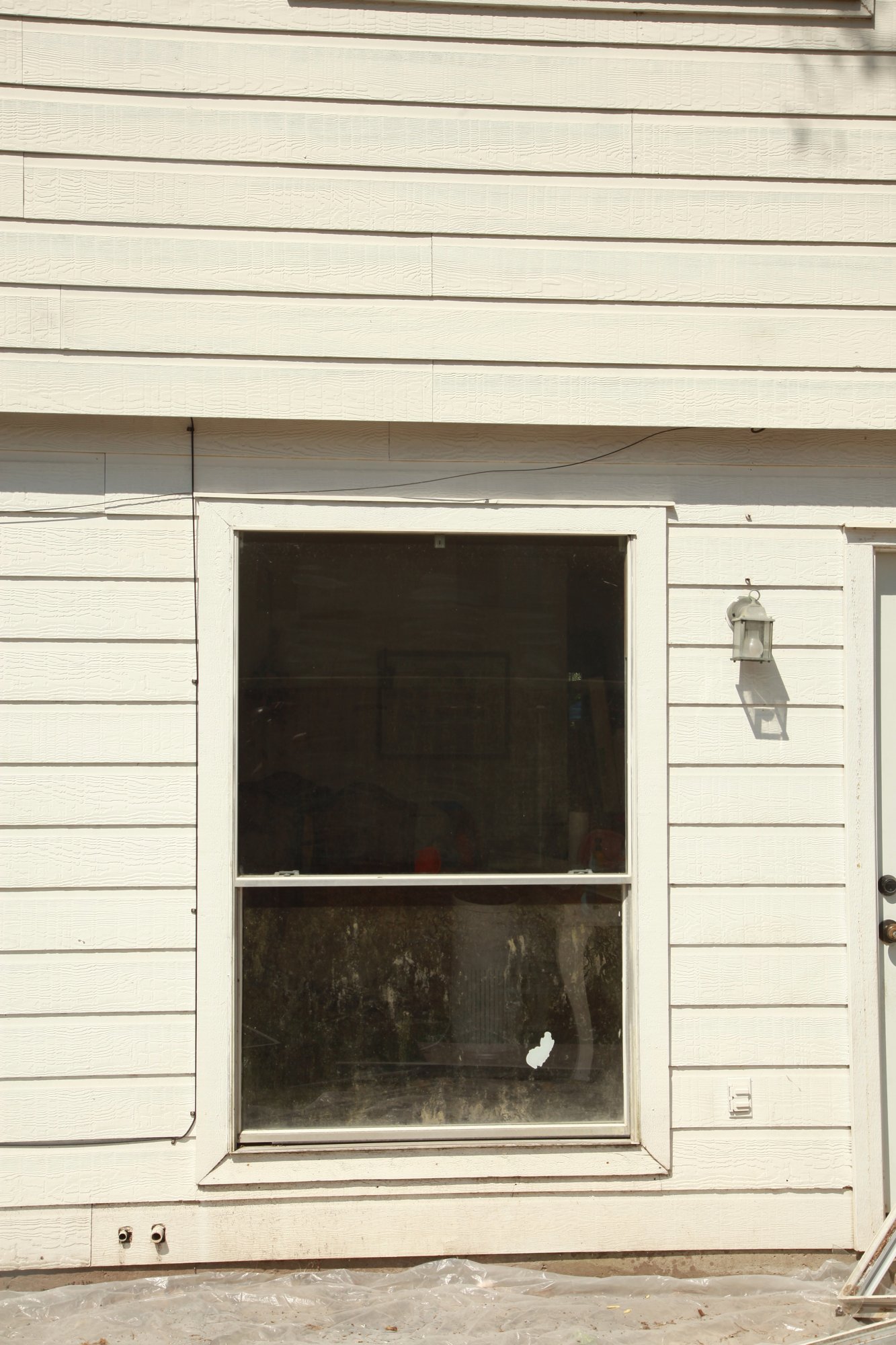
There is also a warranty question. Some window manufacturers restrict glass coverage when aftermarket film is applied, because certain films can raise the temperature of the glass. Before tinting double-pane windows, homeowners should read the window warranty or ask the manufacturer whether film is allowed.
What a Low-E Replacement Window Does Differently
A Low-E coating is a microscopically thin metallic layer applied to the glass at the factory, sealed inside the insulated unit where it cannot scratch or peel. Coatings made for hot climates reflect much of the sun’s infrared heat while letting visible light through, so rooms stay brighter than with a dark film.
DC Pines Roofing installs Evergreen Platinum windows with Evergreen Silver Low-E glass, which carries a solar heat gain coefficient of 0.23, along with a full argon fill between the panes and a warm-edge spacer with no metal. Each window is custom built to the measured size of the opening. Because the coating is part of a new sealed unit and a new frame, a replacement addresses heat, air leaks and failed seals at the same time. The guide to Low-E coatings for hot climates goes deeper on how these coatings differ.
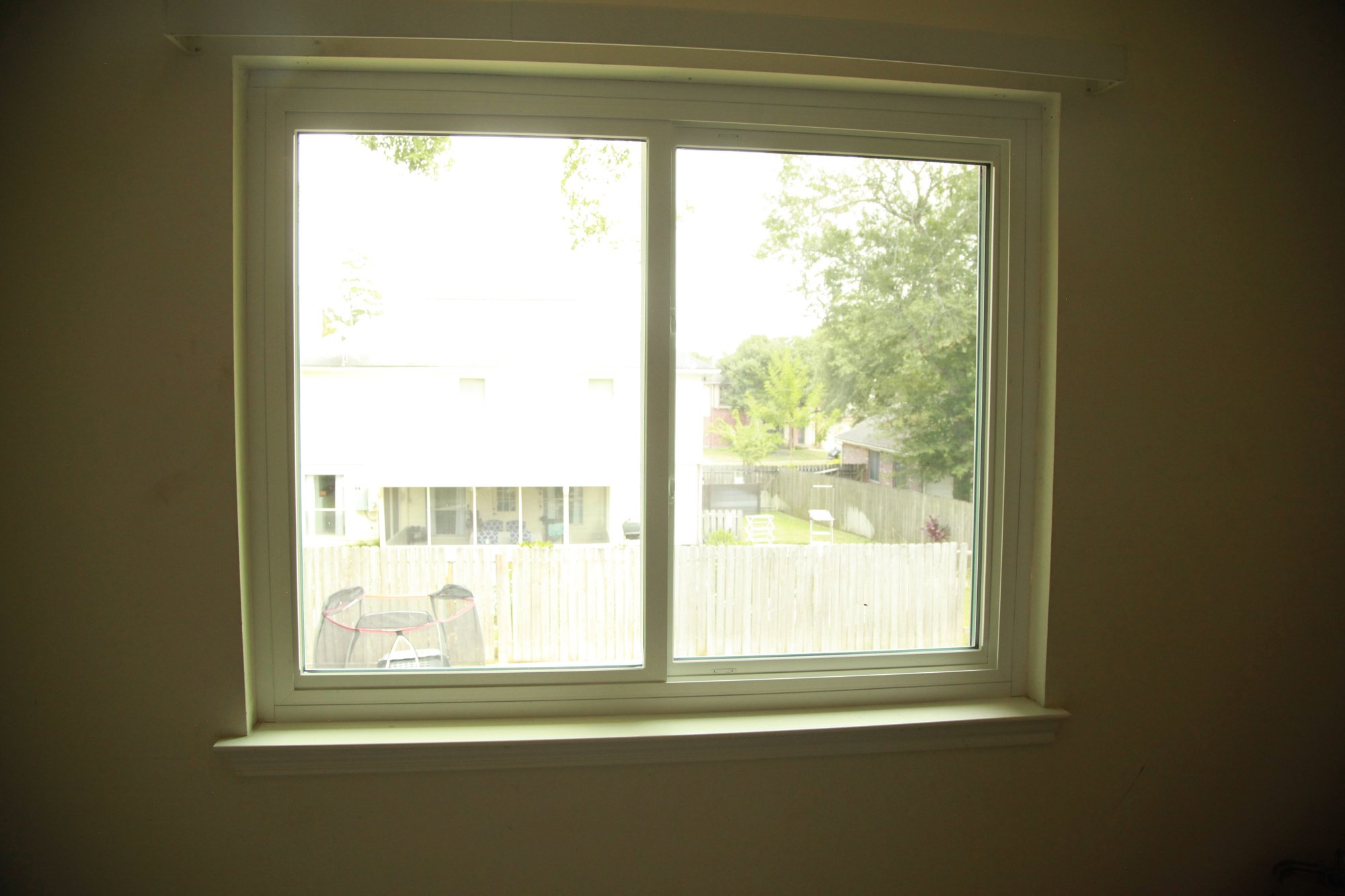
How to Decide Between Film and Replacement
A simple walk around the house usually points to the right answer:
- Choose film if the windows are newer, seal well, show no fogging, and the complaint is heat or glare in a few rooms.
- Choose replacement if there is fogging between panes, drafts around the sash, hard-to-operate windows, or rot and gaps at the frame.
- Consider timing if replacement is likely within a few years. Money spent on film for windows that will soon come out is money that could go toward the new ones.
Homeowners weighing replacement can review the signs of double-pane seal failure and the comparison of insert and full-frame window replacement.
Frequently Asked Questions
Does window tint lower energy bills in Houston?
Sun-control film can reduce solar heat gain on sunny elevations, which can lower cooling load in those rooms. The savings depend on the film, the window orientation and the condition of the existing windows.
Can film be added to double-pane windows?
Often, yes, but some window manufacturers limit glass warranty coverage when film is applied. Check the warranty or ask the manufacturer first.
Is Low-E glass the same as window tint?
No. Low-E is a thin metallic coating applied at the factory that reflects infrared heat while letting most visible light through. Tint darkens the glass and reduces light along with heat.
Will film fix foggy windows?
No. Fogging between panes means the seal has failed, and film on the inside surface does not restore it. That window needs a new glass unit or a replacement.
What SHGC is good for a Houston home?
Lower is better for cooling. Department of Energy guidance describes products below 0.4 as low-gain glass designed for hot climates.
The Bottom Line
Residential window tinting in Houston is a reasonable, low-cost fix for sound windows with a heat or glare problem in a few rooms. When the windows also leak air, fog between the panes or are near the end of their life, Low-E replacement windows solve the heat and the underlying problem in one step.
Written by the DC Pines Education Center for Jeff Ternois, Army veteran and owner of DC Pines Roofing.
Not sure whether film or new windows makes more sense?
DC Pines Roofing measures every opening and checks seals, frames and sashes before recommending anything.

Jeffrey Ternois
Jeff Ternois is the owner and founder of DC Pines Roofing, a veteran-owned roofing, gutter, and window company in Houston. A former U.S. Army Infantry Captain, he led an infantry platoon in Afghanistan and was awarded the Bronze Star Medal and the Combat Infantryman Badge. After the Army he earned an MBA focused on real estate and learned homebuilding from the studs out before founding DC Pines. DC Pines Education Center guides are published under his direction.