
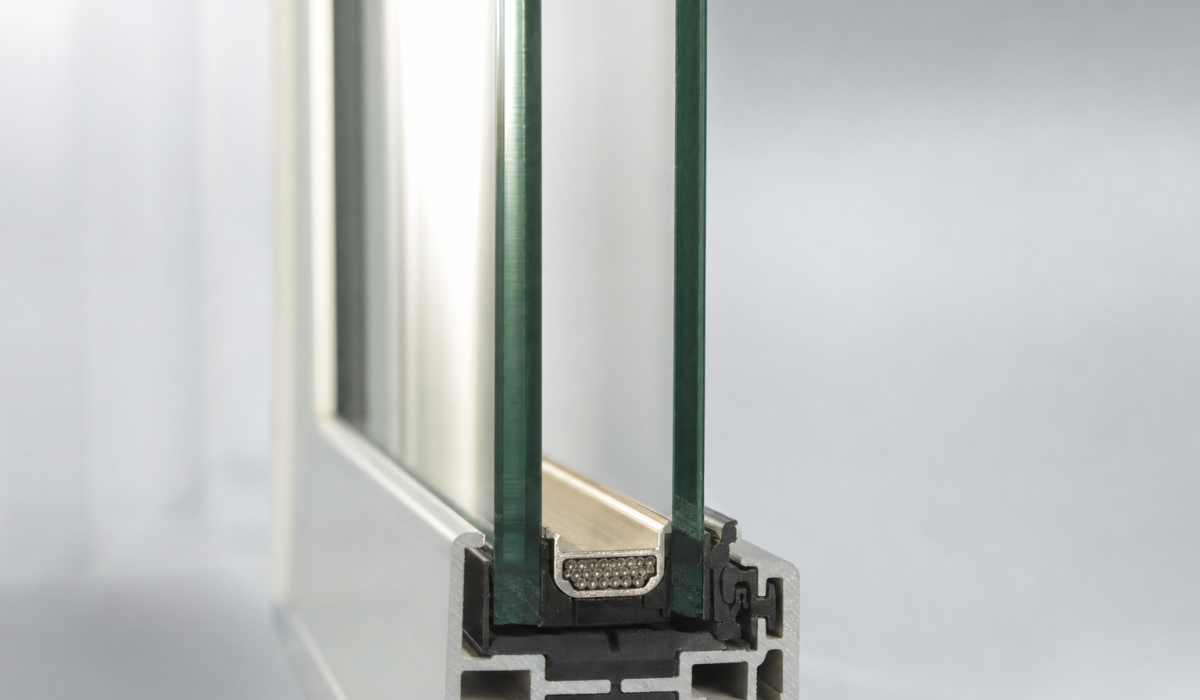
The houston triple pane vs double pane windows question comes up on almost every replacement window quote conversation in the Houston area. A third layer of glass sounds like an obvious upgrade, and window manufacturers are happy to sell it. But the answer for a Houston homeowner is much less obvious than the marketing suggests, and the actual math is worth working through before signing a proposal.
The DC Pines Education Center pulled the current industry data, the ENERGY STAR climate zone framework, and the NFRC label metrics that drive cooling-season performance into one place. The short version is that a well-specified double-pane window with the right coating package is the right answer for most Houston homes — and knowing why is what protects a homeowner from paying a premium that will not pay back inside the time they own the home.
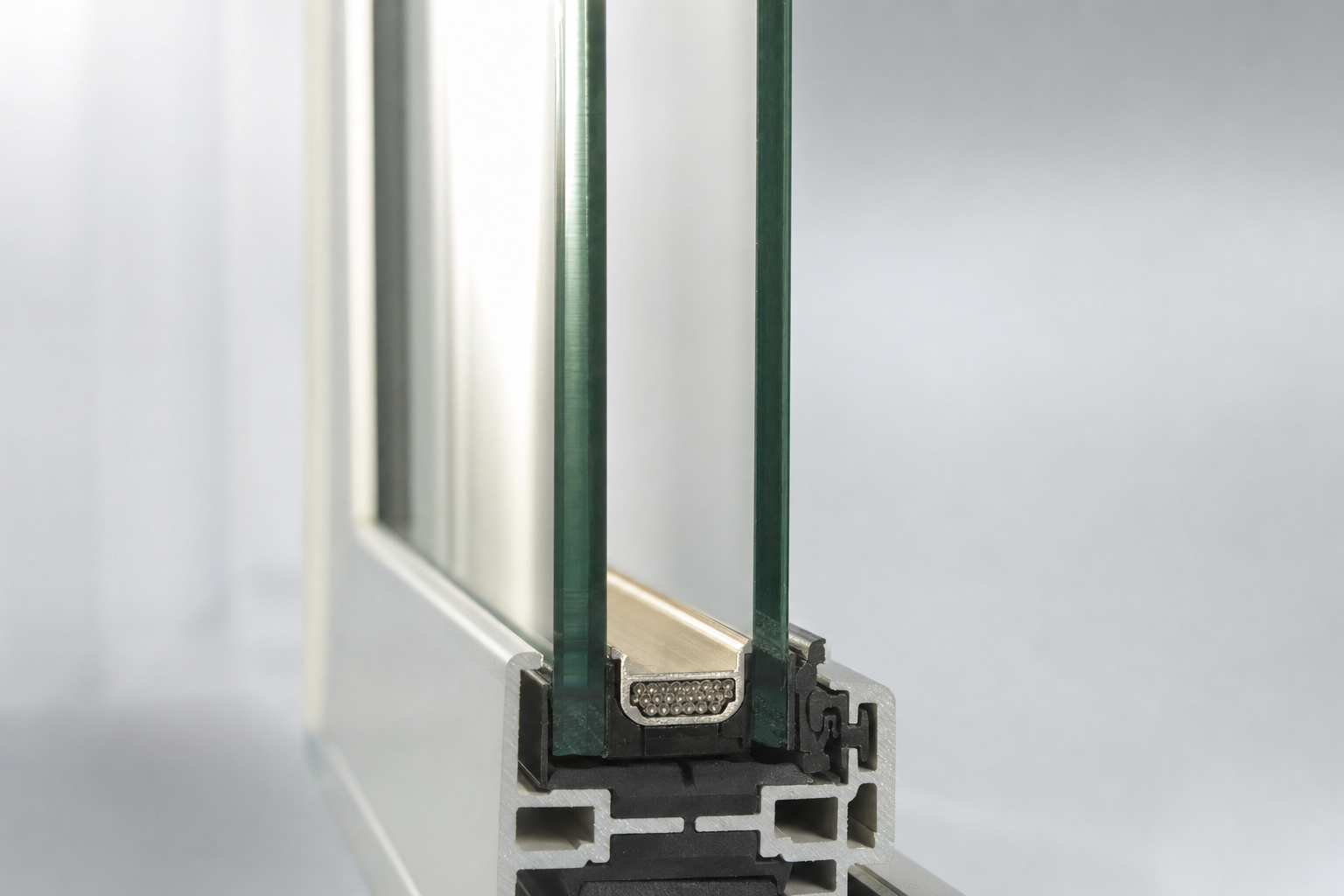
Why the Third Pane Matters Less in Houston
A third pane of glass mostly improves one thing: U-factor. U-factor measures how quickly heat conducts through a window assembly. That number matters most in climates where the goal is keeping heat inside during a long, cold winter. Houston is not that climate. The Houston cooling season is long and the heating season is short and mild, so the number that drives the Houston energy bill is not U-factor at all.
The number that drives Houston window performance is SHGC — Solar Heat Gain Coefficient. SHGC measures how much of the sun’s radiant heat gets transmitted through the glass into the room. In a cooling-dominated climate, cutting SHGC is the single most cost-effective thing a homeowner can do at the window. That is why the ENERGY STAR window criteria for the Southern climate zone weight SHGC heavily, and why glass coatings — not pane count — do most of the real work in Houston.
What the Cost and Payback Math Looks Like
Industry published cost premiums for triple-pane over double-pane run roughly $150 to $400 per window, depending on size, frame material, and manufacturer. Annual cooling-season energy savings for triple-pane over a well-specified double-pane in hot climates run about 2 to 3 percent of the cooling portion of the utility bill.
Run that on a Houston home with a $2,000 annual cooling bill and 15 replacement windows: the extra glass costs $2,250 to $6,000 upfront and returns roughly $40 to $60 per year in extra savings. That is a payback period comfortably over 20 years, and it does not include the fact that heavier triple-pane units put more stress on the frame, sash, and hardware over the life of the window. For a homeowner planning to sell the house inside 15 years, the money does not come back.
What Actually Drives Houston Window Performance
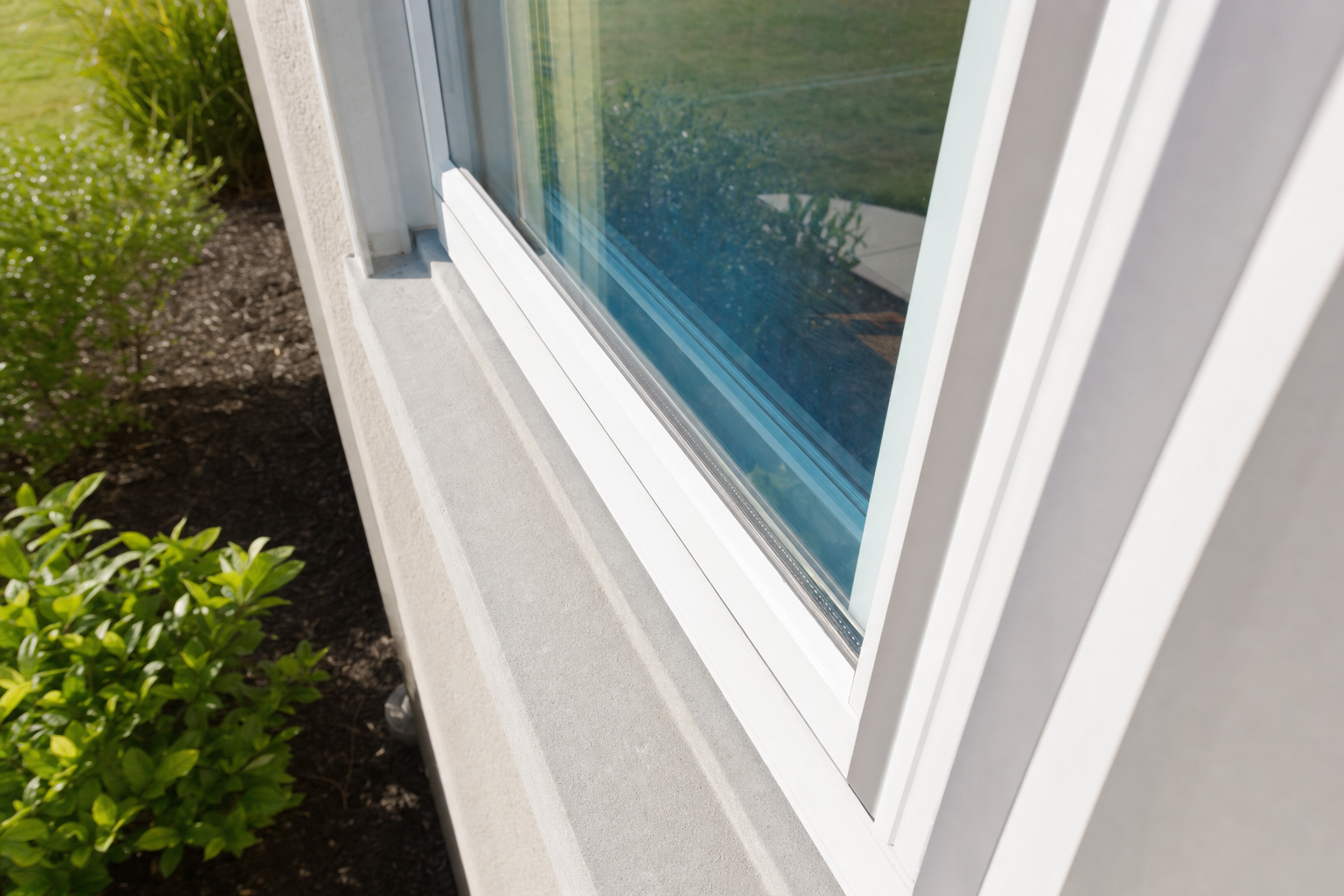
If a Houston homeowner has a fixed budget for a window replacement, the money spent on glass coating almost always outperforms the money spent on a third pane. The performance package that hits real Houston cooling numbers is a double-pane unit with soft-coat Low-E, argon gas fill, warm-edge spacer bar, and an SHGC target of about 0.22 to 0.25 on sun-exposed elevations. U-factor on that package lands at or below 0.30, which is a reasonable Houston target.
The DC Pines guides on soft-coat vs hard-coat Low-E for Houston, the SHGC and NFRC label breakdown, and window frame materials lay out those specs in detail. Together they cover the numbers on the label that actually change the summer utility bill.
Read the NFRC Label Before Any Window Decision
The single most useful move on a Houston window quote is to make the salesperson show the actual NFRC label for the exact glass package being quoted. The NFRC consumer resource page explains what each number on that label represents. The label lists U-factor, SHGC, Visible Transmittance, Air Leakage, and Condensation Resistance for the whole assembly, not just the glass, and that is the only apples-to-apples comparison a homeowner has between manufacturers.
When a Third Pane Actually Earns Its Cost
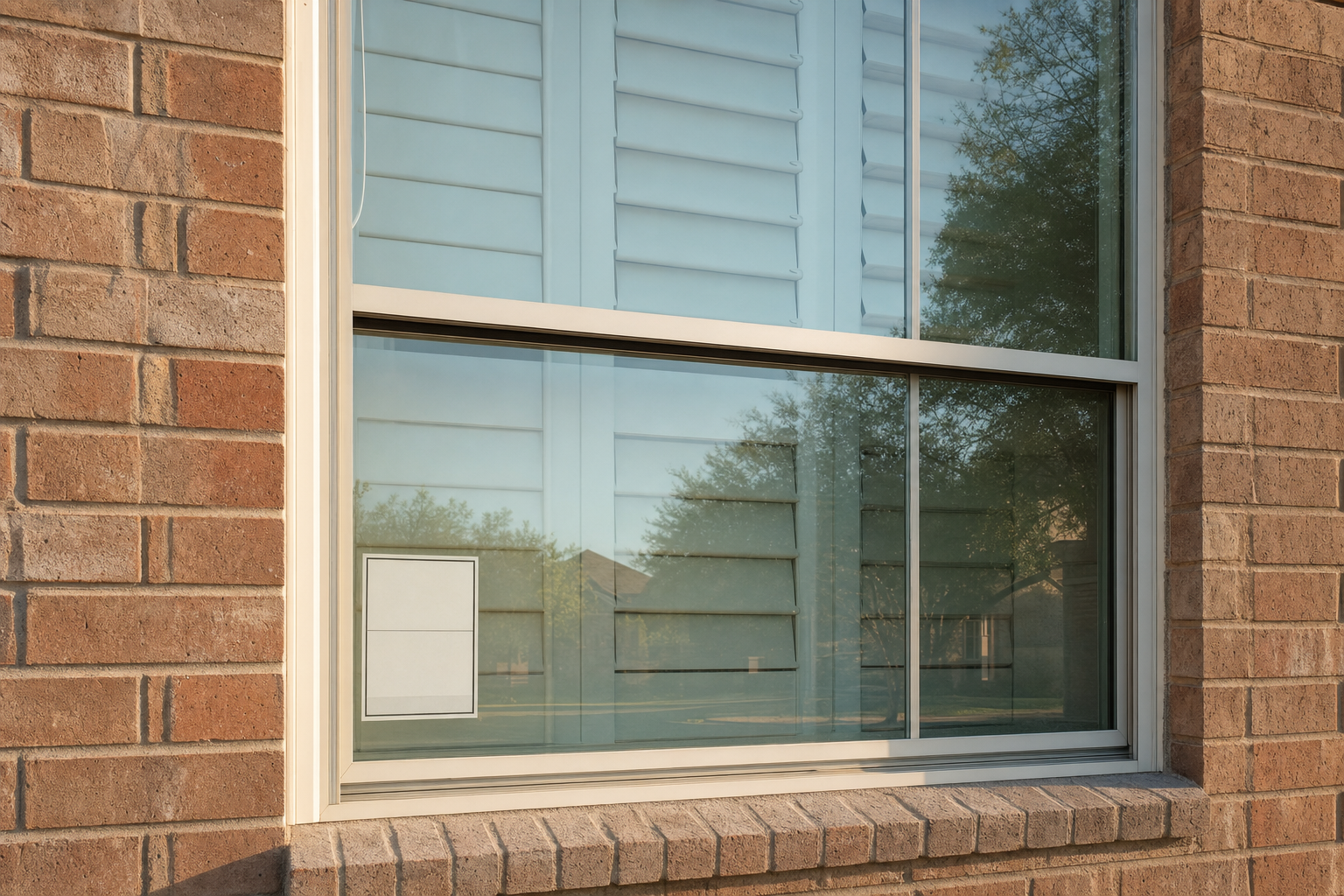
Triple-pane is not a bad product; it is a mismatched product for most Houston homes. There are Houston situations where a third pane earns its cost — they are just narrower than the sales pitch. The three real cases are large west-facing glass on rooms occupied in the late afternoon, homes within a few hundred feet of a highway or busy commercial corridor where the primary driver is noise reduction rather than energy, and homes being built or renovated to a passive-house or net-zero standard where every incremental U-factor gain compounds against the energy target.
Outside those cases, the extra pane mostly buys marginal condensation resistance and slightly better indoor surface temperature near the glass in winter. Those are real benefits, but they are not what most Houston homeowners are actually paying to fix on a window replacement project.
How to Spec a Houston Window on the Numbers
The specification worksheet a Houston homeowner should walk into a window quote with is short. Ask for double-pane glass with soft-coat Low-E and argon gas fill. Ask for the NFRC label on the exact glass package being quoted. Confirm SHGC is at or below 0.25 on any elevation that gets direct afternoon sun, and confirm whole-window U-factor is at or below 0.30. Ask about the spacer bar — a modern warm-edge spacer improves the edge-of-glass performance and cuts condensation risk more meaningfully than adding a third pane.
If the salesperson opens with a triple-pane pitch, ask what the NFRC-rated SHGC and U-factor are for their standard double-pane package. If those numbers already meet the Houston targets above, the third pane is buying a couple of percent in an area where the money would perform better if spent on frame quality, installation flashing detail, or better hardware. The DC Pines pieces on energy-efficient window myths and attic ventilation math cover the adjacent decisions that often matter more for whole-house comfort than the pane count.
The Bottom Line
For most Houston homes, houston triple pane vs double pane windows is not a close call. Cooling drives the utility bill, SHGC drives cooling performance, and glass coating drives SHGC. A well-specified double-pane assembly with soft-coat Low-E, argon fill, warm-edge spacer, and SHGC at or below 0.25 hits real Houston performance targets at a much lower cost than a triple-pane assembly, and the money saved buys more comfort per dollar when it is redirected to frame quality, installation flashing, and hardware. Read the NFRC label, compare on the numbers, and spec the window for the climate the house is actually in.
Spec Houston windows on the numbers, not the sales pitch.
DC Pines Roofing helps homeowners read the NFRC label, compare SHGC and U-factor, and pick the right glass package for Houston heat.