

Roofing craftsmanship standards are the difference between a Houston install that lasts thirty years and one that starts leaking at year seven. Homeowners often see only the finished shingles, but the durability of a roof lives in the details underneath — the underlayment overlap, the drip edge placement, the flashing at every wall and penetration, the fastener count on each shingle, and the ventilation math that keeps the attic from cooking through August. Those details are exactly where the DC Pines Roofing crews spend most of their day.
The DC Pines Education Center exists in part to open that hidden layer up to homeowners. Every install the DC Pines Roofing team performs in the Houston area runs against a written checklist that covers the parts of the roof most contractors leave for the ground-level punch list. This post walks through the standards the crews hold themselves to, why each one matters in the Houston climate, and how homeowners can spot the same details on their own property.
Underlayment and flashing: the sealed layer under the shingles
Before a single shingle is nailed, a DC Pines Roofing install starts with the sealed layer. Synthetic underlayment goes down first, lapped a minimum of four inches horizontally and six inches at every vertical seam. Ice-and-water shield covers the eaves, the valleys, and every penetration — plumbing vents, HVAC curbs, skylights, and dormers. In the Houston climate, wind-driven rain does not need a hurricane to reach the deck; a summer thunderstorm produces the same conditions.
Flashing is treated the same way. Step flashing at every wall, counter-flashing tucked into the mortar joint on brick, kickout flashing where the roof line dies into a sidewall, and continuous apron flashing behind every gutter. The International Residential Code section R905.2.8 spells out the minimum standards; the DC Pines Roofing crews install to the manufacturer specification, which is almost always stricter than code.

Nailing patterns and fastener spec
Shingle warranties from every major manufacturer require a specific fastener count and placement. Most call for six nails per shingle in high-wind zones, with each nail driven into the nail line — never above it, never at an angle, and never overdriven so the head crushes the mat. The DC Pines Roofing crews use pneumatic coil nailers pressure-set for the shingle type, and every installer carries a hammer for the courses closest to hips, valleys, and rakes where a nail gun cannot reach cleanly.
Accessories follow the same discipline. Drip edge and gutter apron get ring-shank nails at eight to ten inches on center, staggered. Ridge cap uses longer nails to bite through two layers. Starter strips run in a continuous line with the adhesive strip pointed toward the eave.
Ventilation math on every proposal
A new roof over a bad ventilation system will fail early, and Houston attics run hot enough to melt sealant, cook decking, and blister shingles from below. Before a DC Pines Roofing proposal is priced, the estimator measures attic square footage and calculates the net free area (NFA) required by IRC R806 — one square foot of vent for every 150 square feet of attic, split evenly between intake at the soffits and exhaust at the ridge.
If the existing system is undersized or unbalanced, the fix goes into the scope. That might mean adding continuous soffit vents, cutting a proper ridge slot instead of relying on box vents, or removing gable vents that short-circuit the intake-to-exhaust airflow. Homeowners who never asked about ventilation get an explanation and a diagram; homeowners who did get the math on paper.
Jobsite protection and cleanup
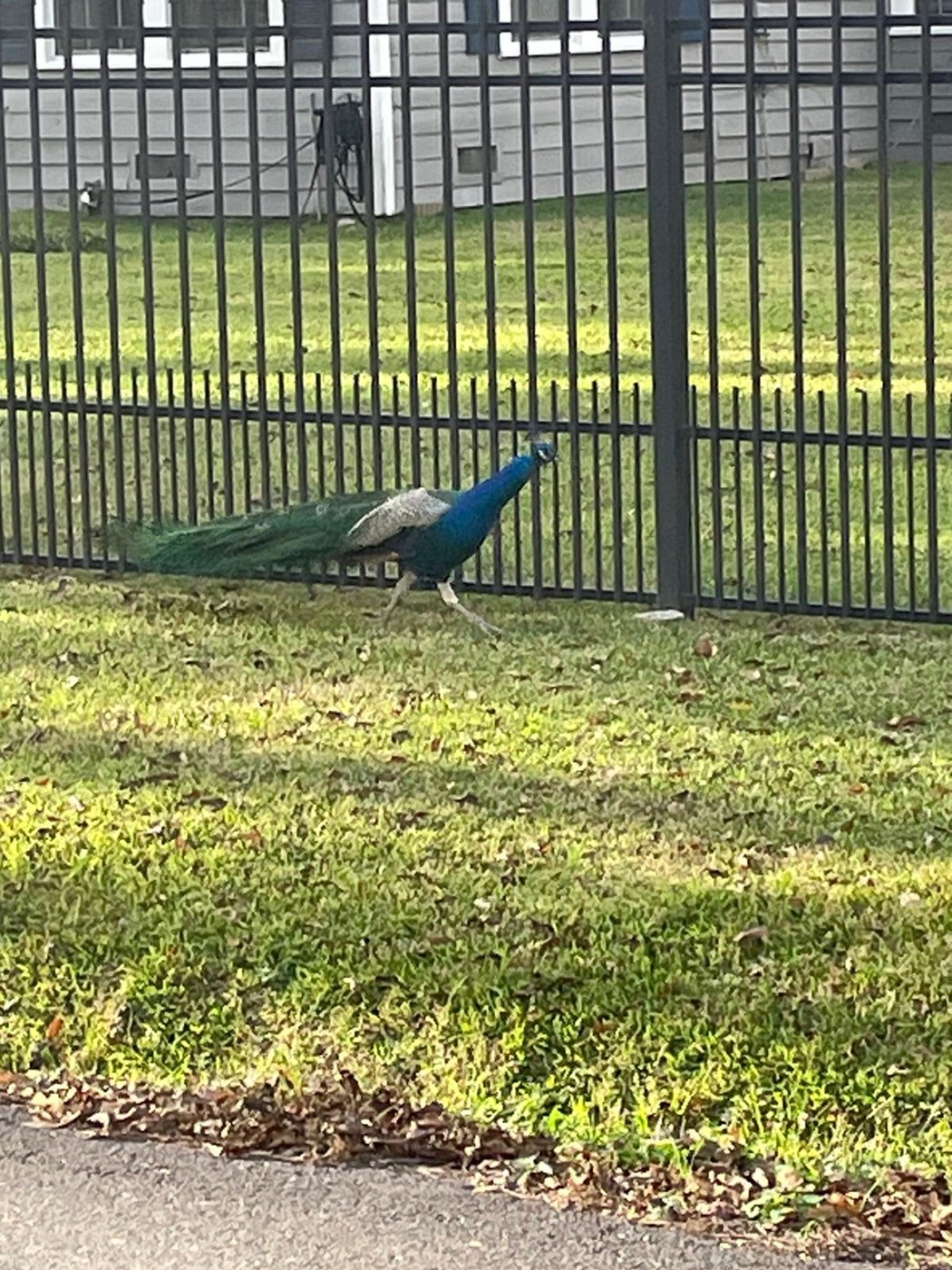
A quality install protects the property, not just the roof. The DC Pines Roofing crews tarp landscaping and cover pool decks before tearoff begins. A debris net catches the majority of the shingle debris around the perimeter of the home, and a rolling magnet sweeps the driveway and lawn twice — once at lunch and once before the crew signs off — to pick up loose roofing nails. Gutters are cleaned of granules and debris before the trucks pull out.
Homeowners in neighborhoods with pools, dogs, or children notice the difference. That habit is a checklist item the foreman signs off before the invoice goes out.
Documentation and the post-install walk
Craftsmanship standards only matter if homeowners can verify them. Every DC Pines Roofing install produces a documentation packet: pre-install condition photos, mid-install photos of underlayment, flashing, and ventilation work, and a post-install inspection walk with the homeowner. The written scope, the manufacturer registration paperwork, and the workmanship warranty go into a folder that stays with the property, so the next owner can see the same detail.
For related Houston homeowner reading, see the DC Pines Roofing guides to the flashing at the eave, shingle nailing patterns, and attic ventilation math.
Why It Matters for Houston Homeowners
Every homeowner buys the same shingle from the same manufacturer at roughly the same price. The reason two roofs on the same street age differently is the craftsmanship underneath. Written standards, manufacturer-certified installs, jobsite protection, and honest documentation are what turn a twenty-five-year shingle into a twenty-five-year roof. The DC Pines Roofing team treats those details as the whole job, not the fine print.
Meet the Houston homeowners’ choice for veteran-owned craftsmanship.
Learn how DC Pines Roofing brings written standards, manufacturer-certified installs, and true jobsite protection to every Houston roof.