
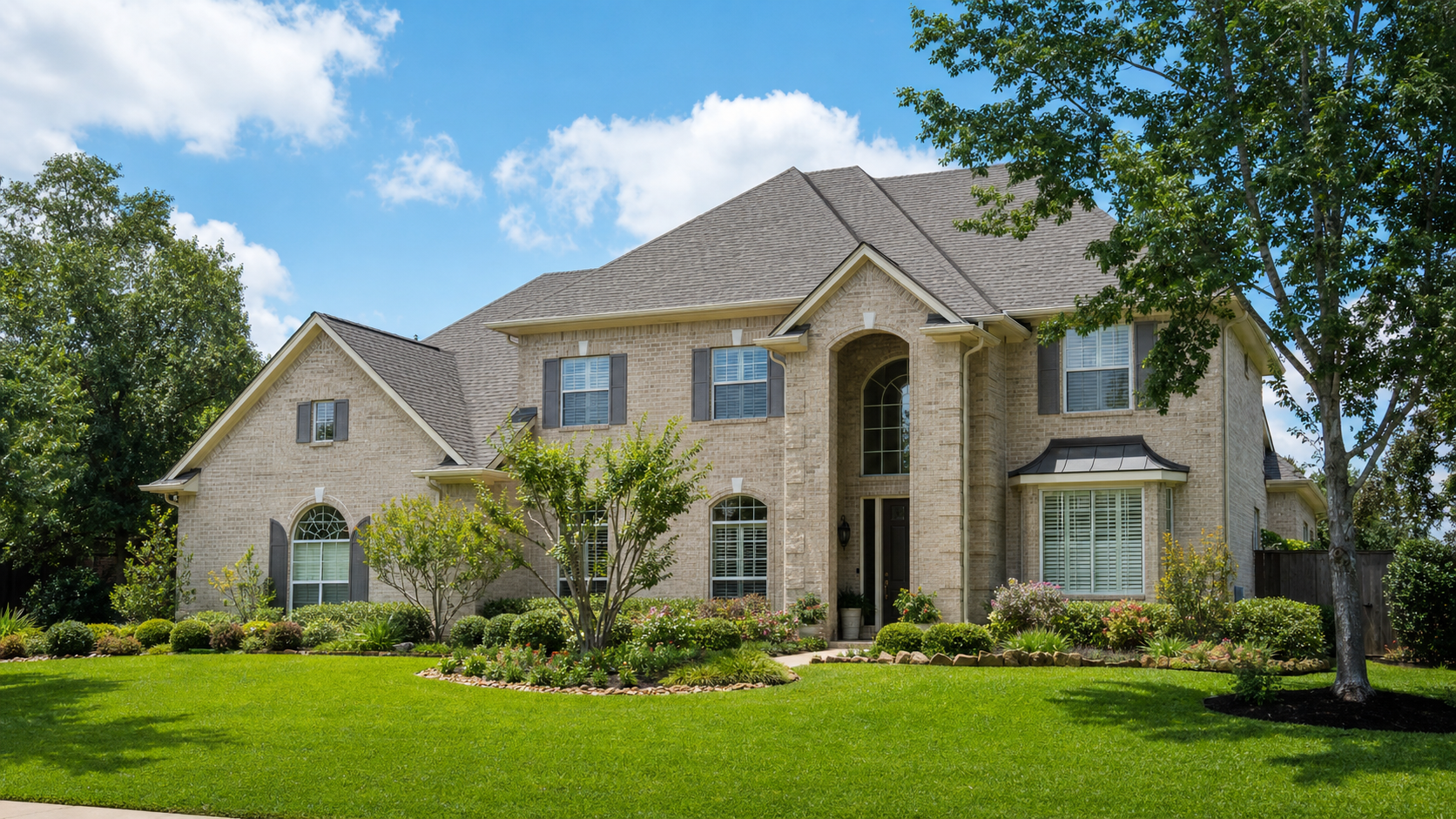
Houston homeowners planning a sale in the next 12 to 36 months face a specific question that most home-value calculators skip: does the roof matter, and if so, does the transferable warranty attached to it actually change anything at closing. A transferable roof warranty rarely lands as a straight-line dollar addition to the appraised value, but it consistently shapes buyer confidence, inspection negotiations, and roof-related concessions in ways that show up on the final settlement statement.
The DC Pines Education Center hears the same question from Houston sellers every week: is it worth replacing the roof before listing, and if it gets replaced, how much of the warranty travels to the next owner. The answer depends on which warranty was purchased, whether the correct paperwork was filed at installation, and whether the transfer window is honored at sale. This guide walks through the mechanics without the sales pressure.
The Two Warranties Most Houston Sellers Confuse
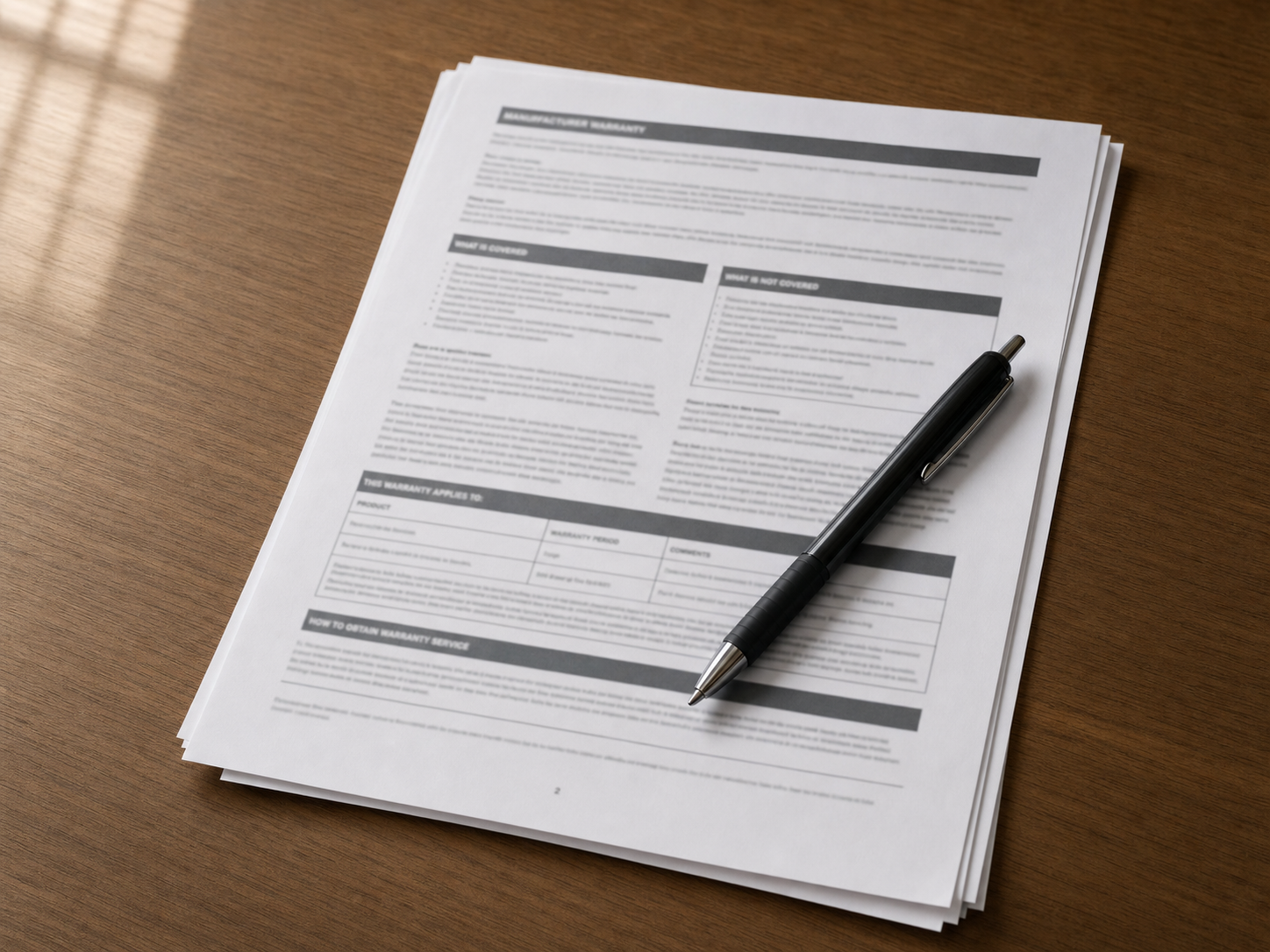
Every properly installed roof in Houston is actually covered by two separate warranties, and only one of them is typically transferable. The National Roofing Contractors Insurance Alliance breaks down the distinction in detail, and it is the single most common source of confusion the DC Pines Education Center encounters during pre-listing consultations.
The workmanship warranty is issued by the roofing company and covers installation defects — flashing errors, nailing pattern mistakes, valley or ventilation problems. Terms vary widely by installer, and most workmanship warranties are non-transferable at sale.
The manufacturer material warranty is issued by the shingle maker (GAF, Owens Corning, CertainTeed, Malarkey, and similar) and covers defects in the shingles themselves. This is the warranty that is typically transferable to the next Houston homeowner, subject to a transfer window, a small fee, and the correct paperwork being submitted after closing.
Standard vs Enhanced Warranties Behave Very Differently at Transfer
Not all manufacturer warranties transfer the same way, and this is where Houston sellers most often lose value they thought they had.
The standard limited warranty comes with every properly installed shingle at no extra cost. It typically covers manufacturing defects for 25 to 50 years, but coverage on transfer often drops sharply — commonly to 2 years from the transfer date, or the remainder of the first 10 years, whichever is shorter. It transfers, but loses most of its practical value at the first sale.
The enhanced or system warranty (branded differently by each manufacturer) requires that a certified installer put down a matched system — starter strip, ridge cap, underlayment, and shingles all from the same manufacturer — and that the job be registered within a defined window after completion. Enhanced warranties typically preserve full or near-full coverage on the first transfer, often for 40 to 50 years, and are the version that actually carries meaningful value into a Houston resale.
What the Warranty Actually Does at the Closing Table
Appraisers, inspectors, and buyer’s agents each treat a transferable roof warranty differently, and each role influences the final Houston sale price differently.
A residential appraiser does not add a flat dollar figure for a transferable warranty — the warranty document supports the appraiser’s estimate of the roof’s remaining useful life. A newer roof with 25 to 40 years of documented material coverage remaining reads as a lower-risk improvement than a roof of the same age with no warranty documentation, and that risk difference is what shows up in the appraisal adjustment. Home inspectors reference it too: a roof with a documented enhanced warranty tends to receive a shorter inspection write-up, which shortens the buyer’s list of option-period negotiating items.
The single largest way a transferable warranty affects Houston sale price, though, is at option-period negotiations. A buyer who receives a full warranty package — invoice, manufacturer registration confirmation, transferable warranty certificate — has significantly less leverage to request a roof-related credit or price reduction than a buyer looking at an unwarranted roof of the same age.
What Houston Sellers Should Do 6 to 12 Months Before Listing
The window to preserve or restore warranty value opens well before the home hits the MLS. Four practical steps consistently protect the seller.
- Locate the original roof invoice and warranty documents. The manufacturer will not honor a transfer without proof of the original installation. Sellers who can’t find the invoice can often request a duplicate from the roofing company that did the work.
- Confirm registration status with the manufacturer. Every enhanced warranty has a registration deadline — typically 30 to 60 days after installation. Roofs installed but never registered may not qualify for enhanced-warranty transfer at all, a common failure mode on Houston resale purchases where the previous owner never filed the paperwork.
- Verify the transfer fee and the transfer window. Most manufacturers charge $50-$150 and require the transfer paperwork within 30 to 60 days after closing. Preparing the packet in advance makes the closing frictionless.
- Have the roof condition documented independently. A short pre-listing roof inspection report — separate from the buyer’s home inspection — gives Houston sellers a documented baseline that removes most of the ambiguity option-period negotiations tend to exploit.
When Replacing the Roof Before Listing Actually Pays
Full replacement before listing is a large capital decision that does not always return a positive ROI. Per the U.S. Department of Energy’s energy-efficient roofs guidance, material and installation choices also affect long-term operating cost — a factor Houston buyers increasingly consider.
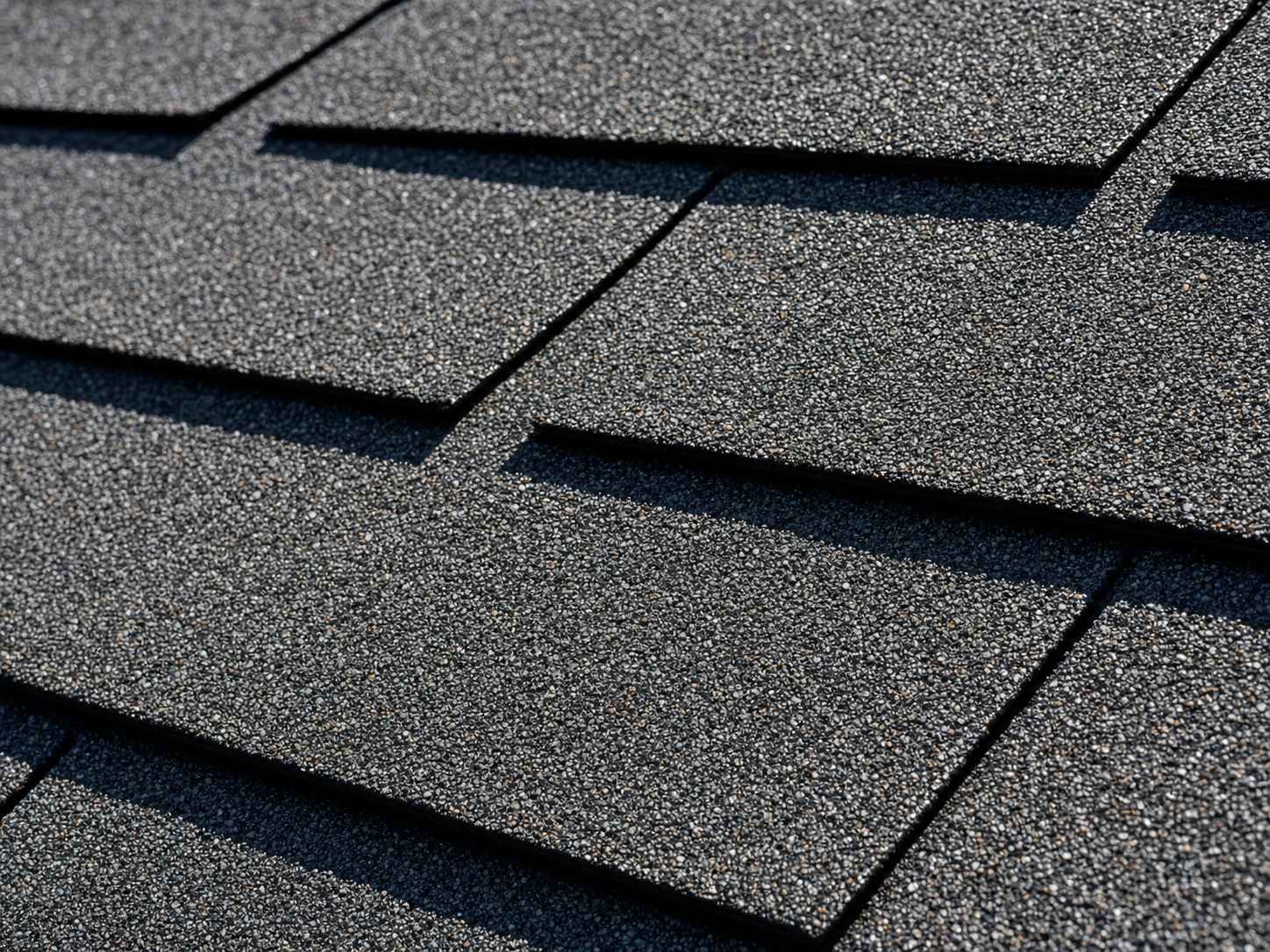
Replacement tends to pay when the current roof is 18+ years old, shows visible degradation (algae streaking, curling, granule loss), or would fail an inspection and trigger a full concession negotiation. It rarely pays when the roof is under 15 years old and defect-free — a documented pre-listing inspection is usually the smarter move than a full tear-off. When replacement does happen, the enhanced warranty is almost always worth the incremental cost, because it’s the version that carries meaningful balance to the next Houston owner. The Education Center’s guides to complete Houston roofing estimate line items and the verification checklist for Houston roofing contractors cover the specific line items that qualify a job for enhanced coverage.
The Bottom Line
The transferable roof warranty is not a magic value multiplier on a Houston home sale. It is a paperwork asset that reduces friction — with the appraiser’s useful-life estimate, with the inspection report, and with the buyer’s option-period negotiations. Sellers who preserve the original invoice, confirm the registration, and prepare the transfer packet in advance capture that friction reduction on the final settlement statement. Sellers who skip those steps often watch a warranty they paid for at install time expire quietly at closing without ever affecting the sale price.
Thinking About a Roof Replacement Before You Sell?
The DC Pines Education Center can help Houston homeowners understand what a manufacturer-certified installation and transferable warranty could mean for their specific home and timeline. Get a written scope built for resale value, not just repair.