

The energy-efficient window industry has a marketing problem, and Houston homeowners are the ones paying the tuition. This guide unpacks the most common energy efficient window myths houston homeowners hear from ads, sales presentations, and neighborhood conversations, and holds each one up against what building-science literature and federal consumer-protection agencies actually say. The goal is not to talk anyone out of replacing windows — it is to make sure the decision is based on real numbers, not brochure numbers.
Windows are a real energy variable in a Houston home, especially on hot-summer afternoons and on any elevation with big west-facing glass. But the size of the effect is smaller and the payback is longer than most sales pitches suggest, and homeowners who go in with realistic expectations end up happier with what they actually get.

Myth 1: New Windows Will Cut a Houston Energy Bill in Half
This is the single most common exaggeration in window sales. According to the U.S. Department of Energy’s guidance on updating or replacing windows, replacing single-pane windows with ENERGY STAR-certified units typically saves an average household between $101 and $583 per year across the country. Even on a large Houston home with a lot of west-facing glass, the realistic ceiling is a few hundred dollars a year — not half of a summer bill.
Two things drive the gap between the pitch and the reality. First, windows are a smaller share of a Houston home’s cooling load than most homeowners assume; attic insulation, duct leakage, and air infiltration around doors and penetrations often matter more per dollar spent. Second, the largest window savings show up on the very hottest and coldest days, not on the annual average — the day-in, day-out cooling bill in April or October barely moves.
Myth 2: Low-E Coatings Make Rooms Feel Darker
This one is stubborn because it was partly true a couple of decades ago. Early Low-E coatings had a visible tint, and some southwest-market products still lean reflective by design. Modern southern-climate Low-E, correctly specified, transmits somewhere in the 60% to 70% visible-light range while dropping the Solar Heat Gain Coefficient into the 0.20-0.30 range.
What that means in a Houston room is subtle: the window still reads as clear glass from inside, the sun-warmed square on the hardwood floor gets noticeably smaller in peak summer, and the fabric on the couch stops fading as quickly. The room does not get darker; the room stops getting cooked.
Myth 3: Exterior Condensation Means the Window Failed
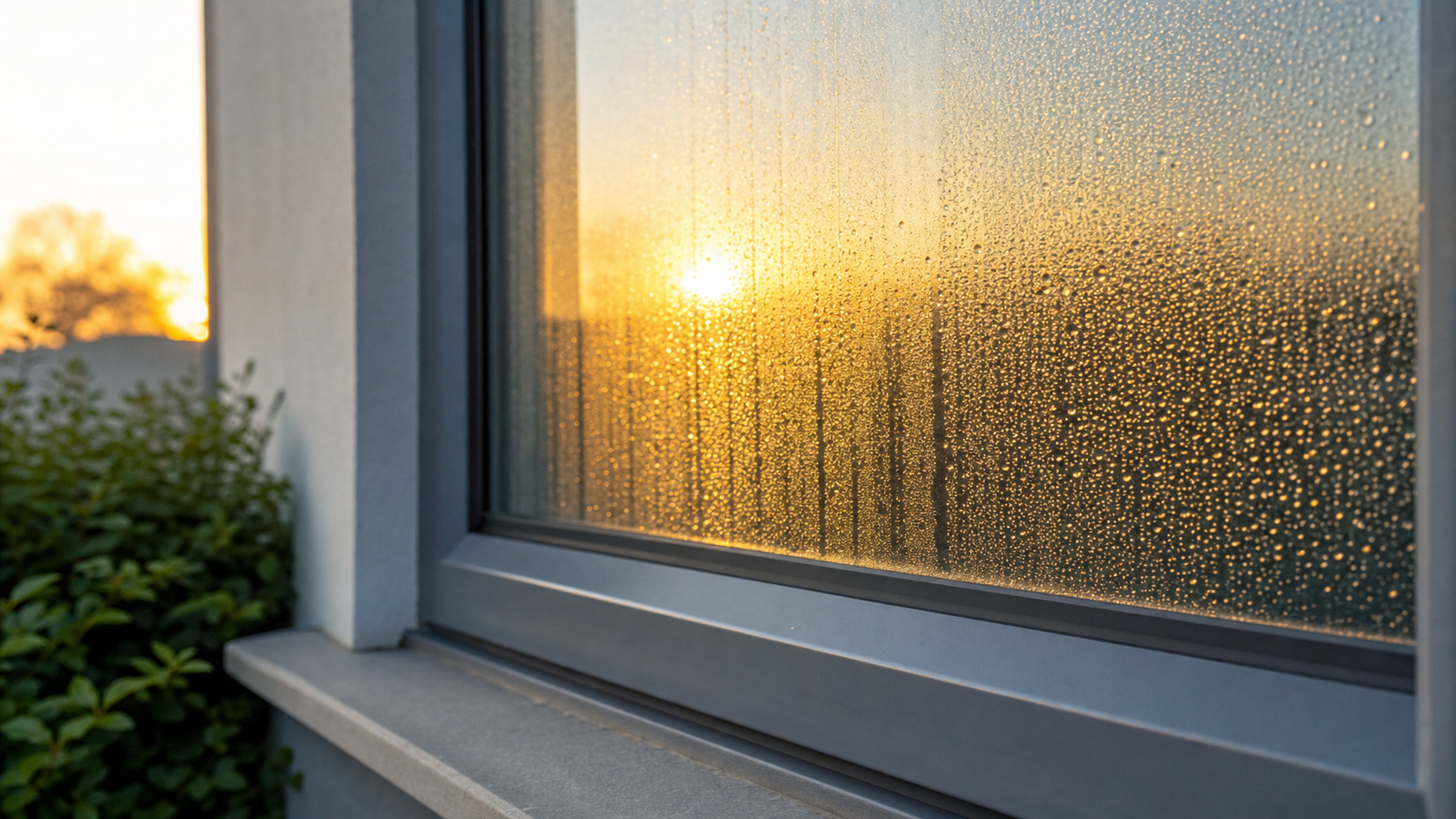
Exterior condensation on a new window looks like a defect to most homeowners, but it is usually the opposite. If the outer pane of a new insulated window is cold enough to hit the outdoor dew point at sunrise, that outer pane is doing its job — it is staying close to the outdoor ambient temperature instead of being warmed by the indoor air behind it.
The three condensation locations tell three different stories. Exterior condensation is a sign the insulation is working. Condensation between the panes means the seal has failed and the gas fill is gone. Interior condensation means the indoor relative humidity is high enough to hit the dew point on the coolest indoor surface in the room, which points to bathroom-fan, kitchen-fan, and HVAC settings more than to the window itself.
Myth 4: Whole-House Window Replacement Pays Back in a Few Years
Sales presentations often quote a payback in single-digit years based on best-case assumptions: single-pane starting point, full-cost utility rates, no discount for time value of money, and a home that runs the HVAC very hard. Independent analysis is not so kind. The Federal Trade Commission’s consumer guidance on energy-efficient home upgrades repeatedly cautions homeowners to check the assumptions behind window energy claims, and enforcement actions against window marketers have specifically targeted inflated savings promises.
A more honest way to think about window replacement in Houston is that comfort, noise reduction, UV protection for interiors, and resale value are the real returns; the energy-bill savings are a bonus rather than the headline. Homeowners who evaluate a project on all four of those axes tend to be happier with the result than those who bought the payback promise.

Myth 5: Argon Gas Leaks Out Quickly and Is Not Worth Paying For
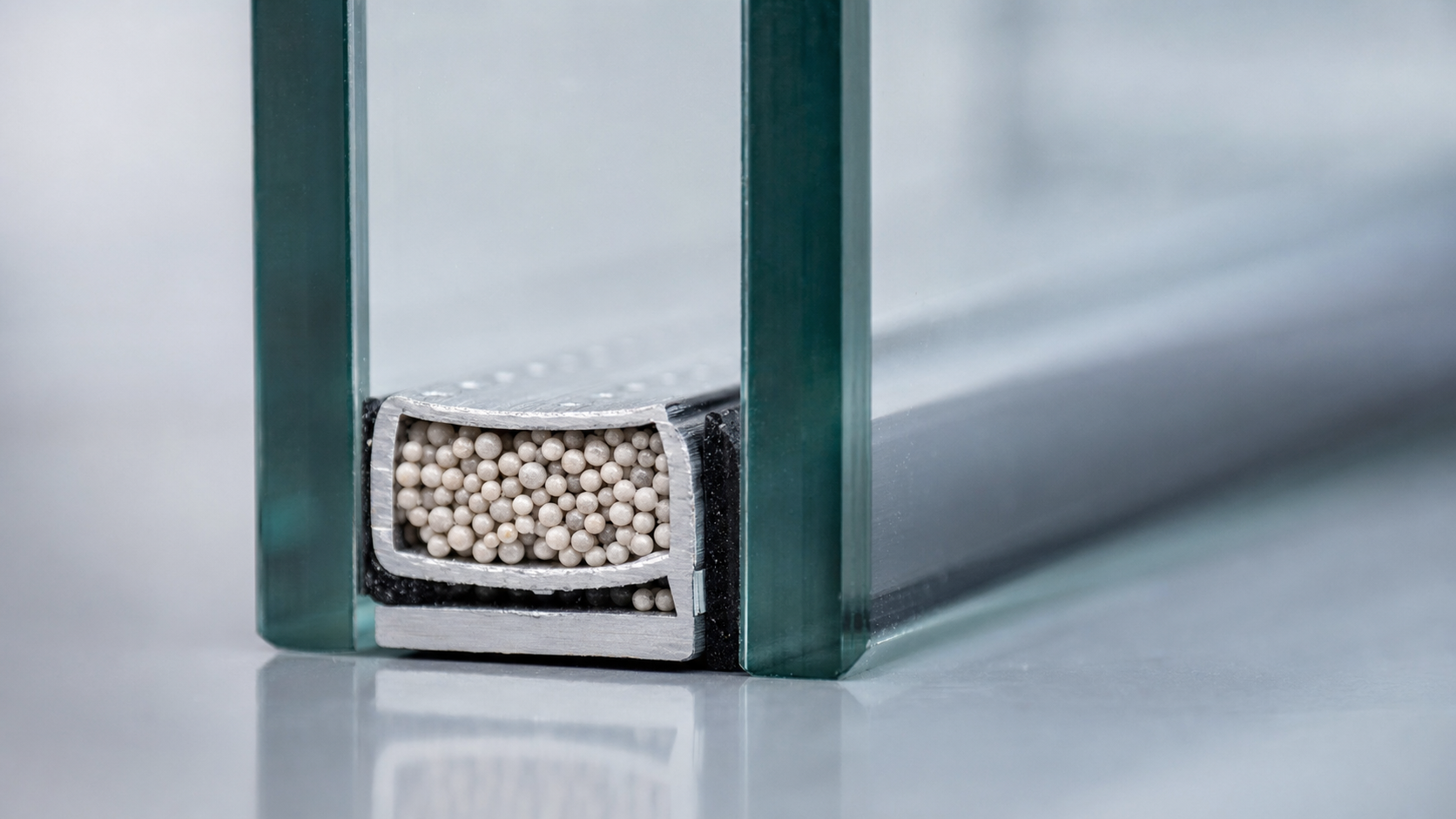
Argon-filled insulated glass units improve center-of-glass insulation by roughly 5% to 10% versus air-filled units. The gas does leak — approximately 1% per year on a well-sealed unit. Over a 20-year window life, most of the argon is still there and still working; the concern is more theoretical than practical for a homeowner staying in the house for a normal ownership period.
Where the myth has a grain of truth is in poorly manufactured units with weak edge seals. Those units do leak quickly, and they usually fog between the panes within a few years — which is a visible warranty issue, not a hidden performance problem. The right defense is buying units from manufacturers with strong warranty language on the seal, not skipping argon over fears of leakage.
Myth 6: All Double-Pane Windows Are Basically the Same
They are not. Two windows that both say “double-pane, Low-E, argon-filled” on the sticker can perform very differently in a Houston summer depending on which Low-E coating is on which surface, what the SHGC and U-Factor actually are, and how the frame is built. A U-Factor of 0.30 with an SHGC of 0.22 outperforms a U-Factor of 0.32 with an SHGC of 0.35 on nearly every Houston elevation.
The National Fenestration Rating Council label — the black-and-white sticker on every new window — is where the real comparison happens. Homeowners who compare bids by that label rather than by the manufacturer name usually end up with a better window and a shorter shopping cycle.
Related Reading from the DC Pines Education Center
For more Houston-specific window guidance, see the Houston SHGC and U-Factor window sticker guide, how Low-E windows manage solar heat gain in Houston, and what summer window condensation actually means on a Houston home.
The Bottom Line for Houston Homeowners
Energy-efficient windows are worth the investment on the right home — but for the right reasons, in the right amounts. Homeowners who set expectations based on the National Fenestration Rating Council label rather than the ad, and who evaluate the project on comfort, noise, UV, and resale as well as energy, end up satisfied. Homeowners who chased a headline energy-bill number end up disappointed even when they bought a genuinely good product. The math is honest either way — the marketing is the part to watch.
Thinking about new windows in Houston?
DC Pines Roofing walks homeowners through the NFRC label, the real Houston-elevation math, and honest expectations on comfort, noise, and resale — no half-your-bill promises.