
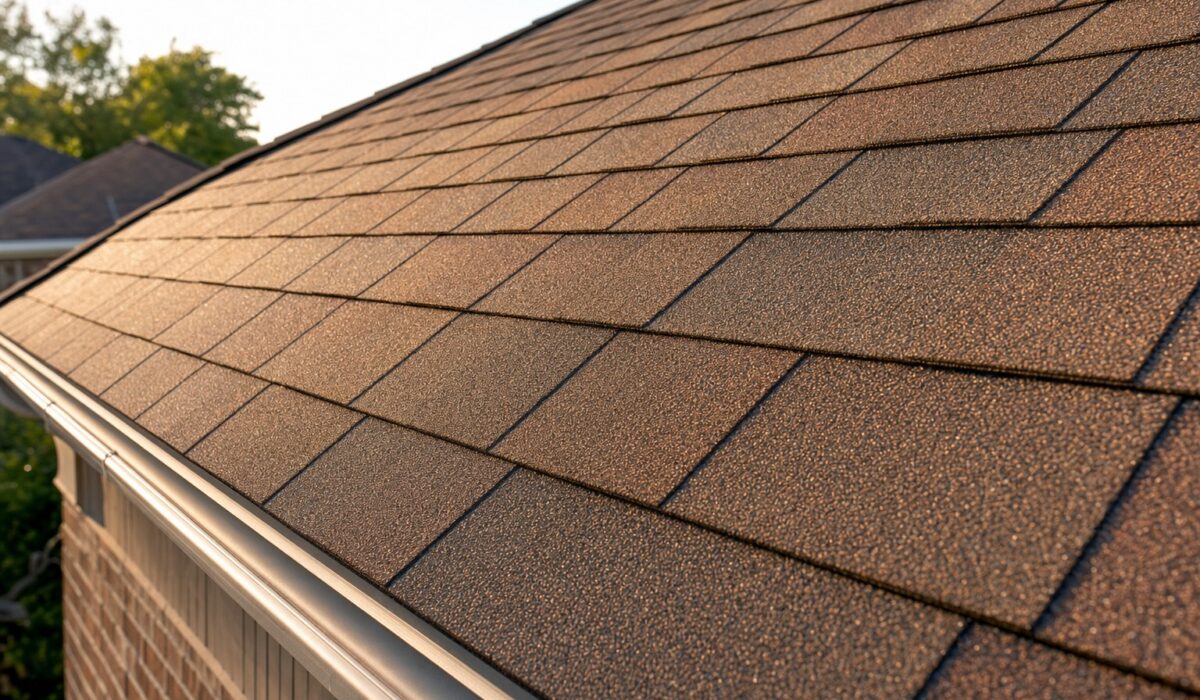
Houston shingle wind class is one of the numbers homeowners see quoted on a shingle wrapper — Class F, Class G, or Class H — without a clear explanation of what any of them actually cover. The short version: Houston sits at roughly 135 mph ultimate design wind speed under the current ASCE 7-22 map, which puts every asphalt shingle roof in the market squarely in the high-wind tier. Class H, tested to 150 mph under ASTM D7158, is the class that lines up with that design wind speed. Class F and Class G shingles undershoot Houston’s design load, even if they are legal to install elsewhere in the country.
The DC Pines Education Center walks through what the wind class label actually measures, why the six-nail pattern shows up on Houston roofs, how underlayment factors in, and where roof geometry changes the picture. The reference documents are the IRC and ASTM standards — not marketing copy — and the numbers come straight from the test method that earned each shingle its rating.
What ASTM D7158 actually tests
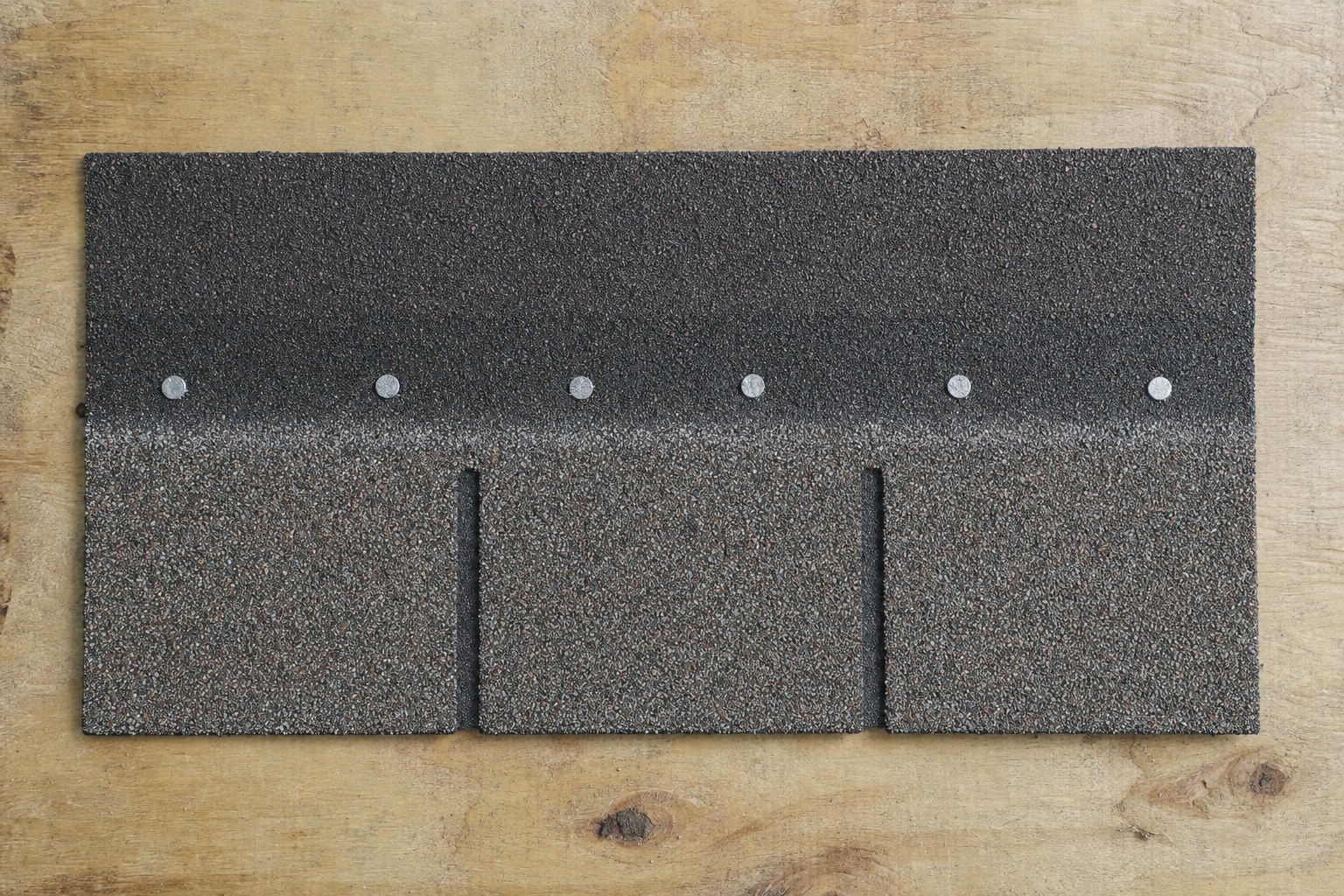
ASTM D7158 is the standard test method for wind resistance of sealed asphalt shingles. In the lab, shingle samples are aged, installed on a specified substrate with the manufacturer’s fastener pattern, sealed, and then subjected to a mechanically applied uplift force. The classification ties the sealed shingle to a wind speed it can resist without lifting:
- Class D: 90 mph
- Class F: 110 mph
- Class G: 120 mph
- Class H: 150 mph
The IRC R905.2.6.1 classification of asphalt shingles references D7158 (and the older D3161) as the way manufacturers demonstrate compliance. When the design wind speed exceeds the shingle’s classification, the shingle does not meet code for that roof.
Houston’s design wind speed under ASCE 7
Houston’s ultimate design wind speed under the current model codes hovers around 135 mph for Risk Category II residential buildings. That is above Class G’s 120 mph rating and comfortably below Class H’s 150 mph rating, which is why Class H is the market standard. Coastal Texas jurisdictions south of Houston use higher design wind speeds and require additional local approvals — but for the Houston metro, Class H is the ceiling most homeowners will encounter on a shingle wrapper, and the tier the Education Center references for new work.
Why the six-nail pattern shows up on Houston roofs
The Class H rating a shingle carries is not a property of the shingle alone — it is a property of the shingle installed the way the manufacturer’s test specified. That test used six nails per shingle at the specified fastener locations. A four-nail install of the same shingle produces a different assembly with lower measured uplift resistance, which is why manufacturer wind warranties tie their upper coverage tier to the six-nail pattern.
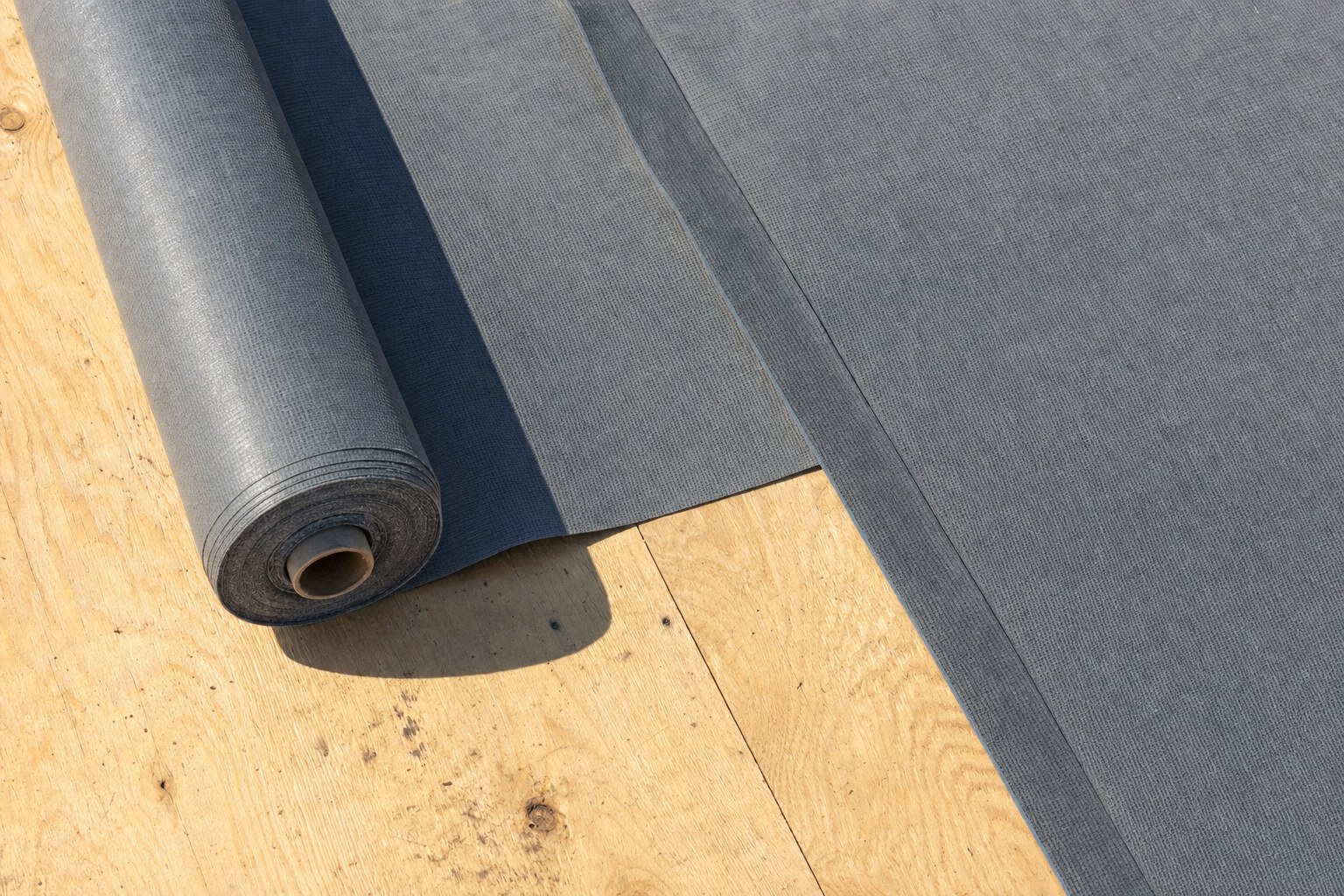
The DC Pines Education Center’s Houston shingle nailing four-nail vs six-nail guide covers the fastener geometry and placement in more depth. The Class H picture is simpler at a high level: if the roof is in Houston, the six-nail pattern is the pattern the shingle needs to earn the rating printed on the wrapper.
Underlayment: not in the shingle rating, in the assembly rating
Underlayment does not appear in the D7158 shingle test — the shingle sample is tested against a specified substrate. But the roof assembly’s real-world wind performance depends heavily on what sits under the shingle. Synthetic underlayment holds fasteners better during a partial exposure event than 15 or 30 lb organic felt, and self-adhering underlayment at eaves and rakes gives the roof a redundant water barrier if a shingle course does lift.
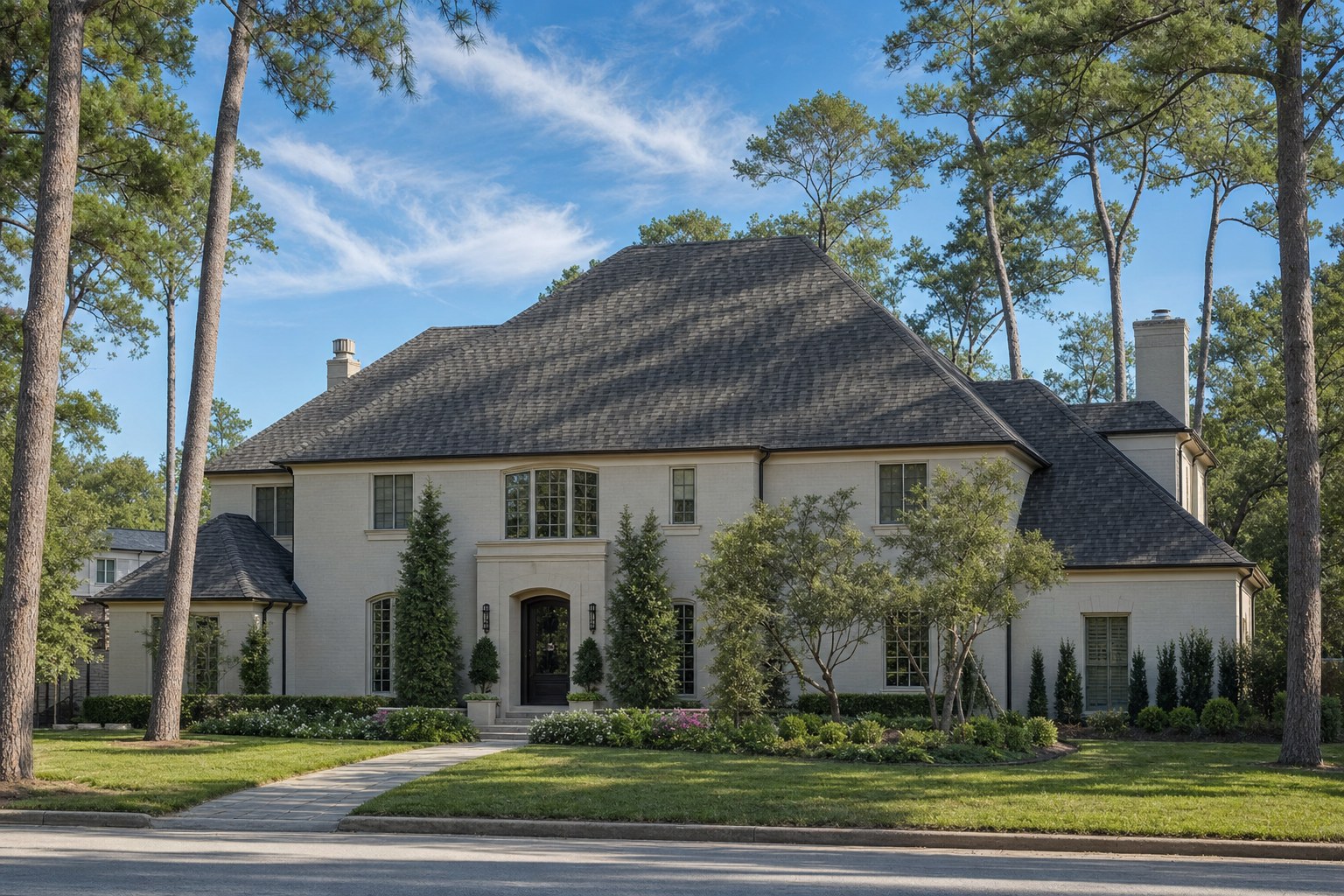
Most current Houston-area manufacturer warranties require a synthetic or self-adhering underlayment (or an approved specific product family) for the enhanced-wind or lifetime coverage tier. The Education Center’s Houston roof underlayment guide breaks down which underlayment classes qualify for each manufacturer tier.
Roof geometry changes the load, even at the same wind class
Two Houston homes with the same Class H shingle can still experience different real-world uplift. ASCE 7 assigns higher wind pressures to corners and edges than to the field of the roof, higher pressures to gable ends than to hip roofs of the same size, and higher pressures to homes with higher exposure category (open terrain versus suburban tree cover). None of that changes which shingle class a homeowner installs — but it does affect where fastening details, starter courses, and eave protection get the most attention during install.
Where the field cuts corners on Class H installs
The Education Center sees the same three shortcuts on Houston roofs that fall short of their nominal Class H rating in practice: a four-nail pattern on a Class H shingle (voids the rating and warranty), a starter course that is not manufacturer-branded (breaks the sealed-eave assumption at the most exposed row), and 15 lb felt under a Class H shingle (does not disqualify the shingle but weakens the assembly during install). Any Houston re-roof proposal that omits these three items is a proposal to install a Class-H-labeled shingle in a way that will not perform to the Class H rating.
The Bottom Line
Houston’s design wind speed sits at roughly 135 mph, so ASTM D7158 Class H shingles are the market standard. The rating on the wrapper is not a promise on its own — it is a promise conditional on the six-nail pattern, manufacturer-branded starter, and a compliant underlayment. Homeowners comparing quotes for a Houston re-roof should confirm the shingle class, the nail pattern, the starter product, and the underlayment class on the same page of the proposal. Anything less turns the Class H label into a marketing line rather than an installed rating.
Comparing Houston re-roof quotes?
DC Pines proposals list shingle class, nail pattern, starter product, and underlayment class on the same page — so the Class H rating on the wrapper matches the assembly that gets installed.