

Houston home improvement cost in 2026 looks different than it did a year ago. The Section 25C federal Energy Efficient Home Improvement Credit — used for insulation, windows, doors, and heat pumps — expired for property placed in service after December 31, 2025. The Section 25D Residential Clean Energy Credit ended the same day. Texas HOMES and HEAR rebates, funded but not yet launched, are still in design. That leaves 2026 Houston homeowners in an in-between year: federal credits gone, state rebates not open.
The DC Pines Education Center walks through what 2026 Houston costs actually look like for the main envelope projects, where the operating-cost math still pays back without the federal credit, and how to budget when the “just wait for the rebate” advice has stopped applying. The numbers below are grounded in the IRS OBBBA guidance and the Texas Comptroller’s current program status — not in an assumption that any of the retired incentives will return.
What actually changed in the federal picture
The One Big Beautiful Bill Act (Public Law 119-21), signed July 4, 2025, accelerated the termination of several energy-related tax credits. According to the IRS FAQ on OBBBA modifications, the Section 25C credit “will not be allowed for any property placed in service after December 31, 2025.” Section 25D — solar, battery, geothermal — ended on the same date.
A qualifying project completed in 2025 is still claimable on the 2025 return using Form 5695, Part II. A project started in 2025 but “placed in service” in 2026 is not. The IRS treats “placed in service” as the date the property is ready for its intended use — for exterior envelope work, the day the crew finishes.
Texas HOMES and HEAR: funded, not open
Homeowners often ask whether the state rebates fill the gap. According to the Texas Comptroller State Energy Conservation Office (SECO), as of August 21, 2026, rebates are not currently available, the programs remain in the planning and design phase, and no launch date has been set. SECO retained APTIM Federal Services in April 2026 to help with design, and the office has explicitly warned homeowners not to sign contracts contingent on this money.
Houston 2026 roofing cost — the numbers
Regional 2026 pricing data for the Houston market consistently lands in a familiar range:
- Architectural asphalt shingle, 2,000 sq ft home: $8,000 – $18,000 installed, or roughly $325 – $650 per roofing square
- 3-tab economy asphalt: $7,000 – $12,000 (rarely recommended — the shorter service life erases the savings)
- Premium / designer asphalt: $12,000 – $20,000 (thicker profile, longer warranty)
- Standing seam metal: $14,000 – $30,000 (40-70 year service life)
- Concrete or clay tile: $18,000 – $42,000 (50+ year service life)
Roofing does not qualify for the retired 25C credit anyway — the credit specifically excluded roofs (with the narrow exception of certain integrated solar roof products under 25D). So on the roofing side, 2026 pricing is essentially unchanged from 2025 in terms of what the homeowner pays out of pocket. The resale-value math still favors replacement: national data from the Remodeling Cost vs Value analysis suggests an asphalt shingle re-roof typically returns 61 percent to 68 percent of its cost at resale, and the DC Pines Education Center has covered the material-side decisions in its Houston roof myths guide.
Where the credit sunset actually stings: windows and insulation
The 25C credit did apply to qualifying windows (up to $600 per year) and insulation and air sealing (part of the $1,200 general annual cap). Both categories now carry their full 2026 cost. For a homeowner replacing 10 windows, the disappearance of the $600 credit is measurable but not decisive — the cap always kept it a small share of the project. The Houston window replacement cost guide covers the specific line items.
Insulation: still the highest-payback envelope upgrade
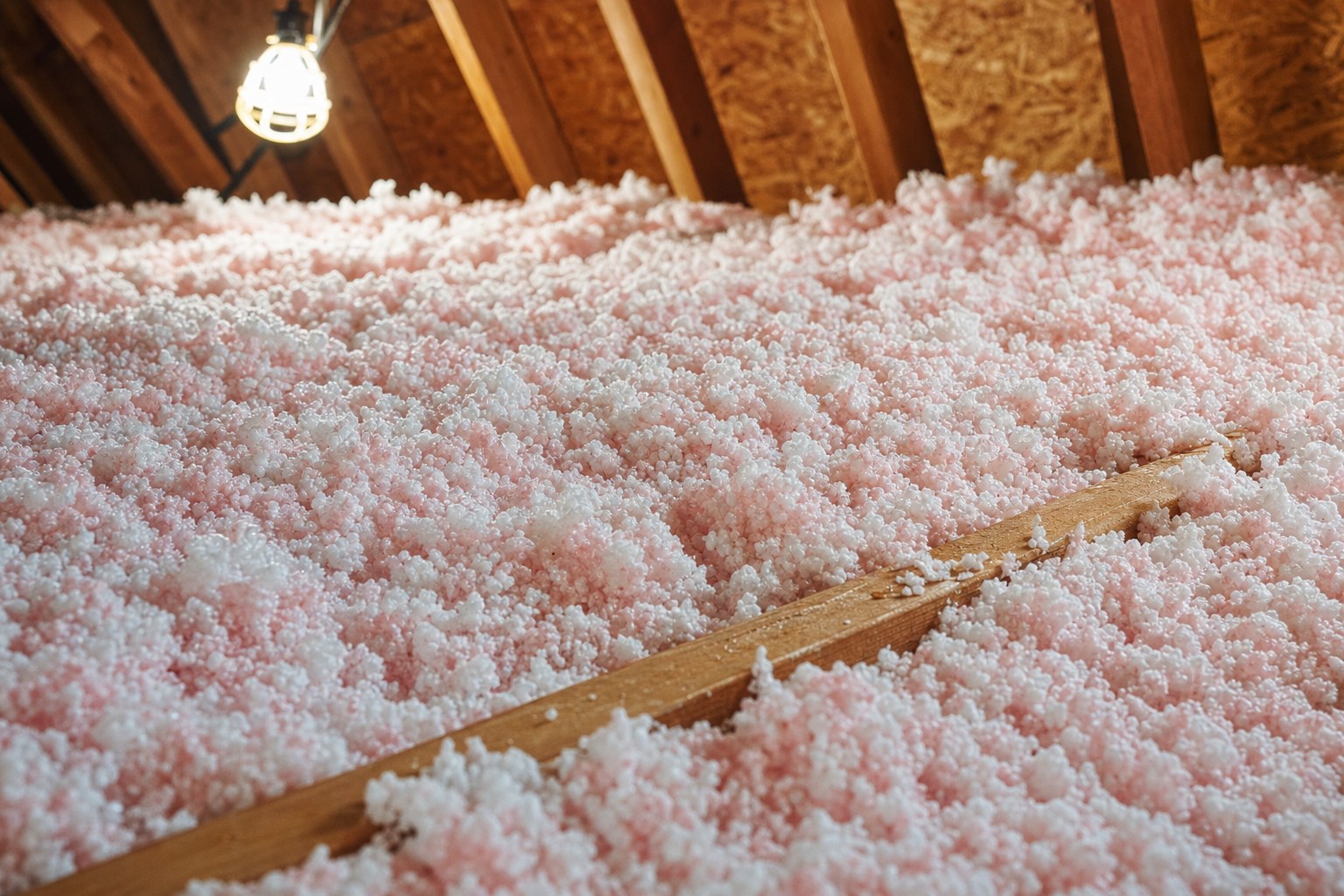
The Education Center’s Houston attic insulation R-value analysis works through the operating-cost math in detail, but the short version holds even without the credit: a Houston attic upgraded from R-19 to R-38 typically pays back through summer cooling savings in about three to five years. R-38 to R-49 stretches the payback closer to six or seven. The federal credit used to shorten those windows by six months to a year; its absence does not change the sign of the return.
How to budget in a post-credit year
The DC Pines Education Center recommends three shifts in how Houston homeowners plan 2026 projects:
- Underwrite the project on operating-cost savings, not the credit. If the utility-bill math works without the $600 window credit or the $1,200 insulation credit, the project was worth doing anyway. If the credit was doing most of the heavy lifting, the project probably needed to be re-scoped.
- Check utility-level rebates directly. The CenterPoint Energy Efficiency Programs page and the retail electric provider’s own site are the only reliable sources — third-party rebate aggregators lag by months and often list retired programs.
- Do not sign contracts contingent on HOMES or HEAR. SECO has stated on its own site that these rebates are not open and that no approved contractor list exists. Any 2026 quote that promises to “apply your $8,000 HOMES rebate” is describing a program that has not launched.
Financing math without the credit
With the federal credit off the table, financing choice matters more than it did in 2025. A HELOC currently prices below unsecured contractor financing for most Houston homeowners with equity, and the interest on a HELOC used for a substantive improvement can be deductible under existing rules (a separate question from the terminated 25C credit). Manufacturer-backed roofing and window financing sometimes carries promotional 0-percent introductory periods that can be math-equivalent to a discount if the full balance is paid within the promotional window — the trap is the deferred-interest reset on the back end.
The Bottom Line
Houston home improvement cost in 2026 is defined by two facts homeowners should not talk themselves out of: the federal 25C and 25D residential energy credits are terminated for anything placed in service after December 31, 2025, and Texas HOMES and HEAR rebates are funded but not yet open. Roofing pricing is largely unchanged — the credit never applied. Windows and insulation now carry their full retail cost, but the operating-cost payback on attic insulation in the Houston climate still stands on its own. Homeowners who budget on the utility-bill math, verify utility rebates directly, and refuse to commit to unlaunched state programs will make decisions that hold up when the tax return is filed.
Planning a 2026 Houston home improvement project?
DC Pines quotes are broken out line-by-line so the operating-cost math is easy to read — no dependency on retired federal credits or unlaunched state rebates.