

Katy and Houston HOA ARC approval is the step homeowners forget until the crew is already on the roof. In most master-planned Katy communities and Harris and Fort Bend subdivisions with an active homeowners association, any exterior modification — new roof, repaint, window swap, even a driveway extension — needs written architectural review committee (ARC) approval before work begins. Skipping that turns a routine project into a compliance problem.
The DC Pines Education Center has watched a year of Katy and Houston ARC packets go through — some approved same-week, some stuck two months over one missing spec sheet. This guide covers how the review works, what a complete packet looks like, and how to avoid the paperwork gaps that stall approvals across Katy, Fulshear, Cinco Ranch, Cross Creek Ranch, Firethorne, Cypress, and the rest of the Harris and Fort Bend HOA landscape.

Why Texas HOAs regulate exterior work
The legal foundation for ARC review sits in Texas Property Code Chapter 204 and §209.00503. Chapter 204 grants HOAs in densely populated counties — Harris and Fort Bend included — authority to regulate exterior materials, design, and landscaping. §209.00503 governs how ARC decisions are enforced and appealed. Each community layers its own CC&Rs and design guidelines on top, which is why two neighborhoods a mile apart can have wildly different approved shingle palettes.
The practical reason is aesthetic consistency: master-planned communities market a coordinated streetscape, and the ARC’s job is to keep it coordinated as homes age. That is why “just matching the existing roof” is not automatic approval — the ARC still needs the submission on file, and the previously approved color may no longer be on the current palette.
What triggers ARC review in a Katy or Houston HOA
Almost any change visible from a street or common area triggers ARC review in a typical Texas HOA. The list is broader than most homeowners assume:
- Roof replacement (color, profile, and material)
- Exterior paint, including trim and front-door color
- Window replacement, especially when frame color or grid pattern changes
- Gutter replacement when profile or color changes
- Fencing, pergolas, arbors, and outdoor structures
- Solar panels and satellite dishes (protected under §202.011 but still subject to placement rules)
- Driveway extensions and hardscape
- Significant landscaping changes and tree removal
Even projects that seem like maintenance can trip a review: a lighter shingle color, a wider gutter profile, or a bronze window frame swapped for white. If it changes the way the home looks from the street, check the design guidelines first.
The 30-day clock and what actually starts it
Most Texas HOAs publish a review window of 30 to 45 days once the ARC receives a complete application. The word “complete” carries the weight. Committees will accept incomplete packets, log them, and quietly hold the clock until the missing spec sheet, color sample, or insurance certificate arrives. Two extra weeks in July can push a project past the roofing crew’s availability window.
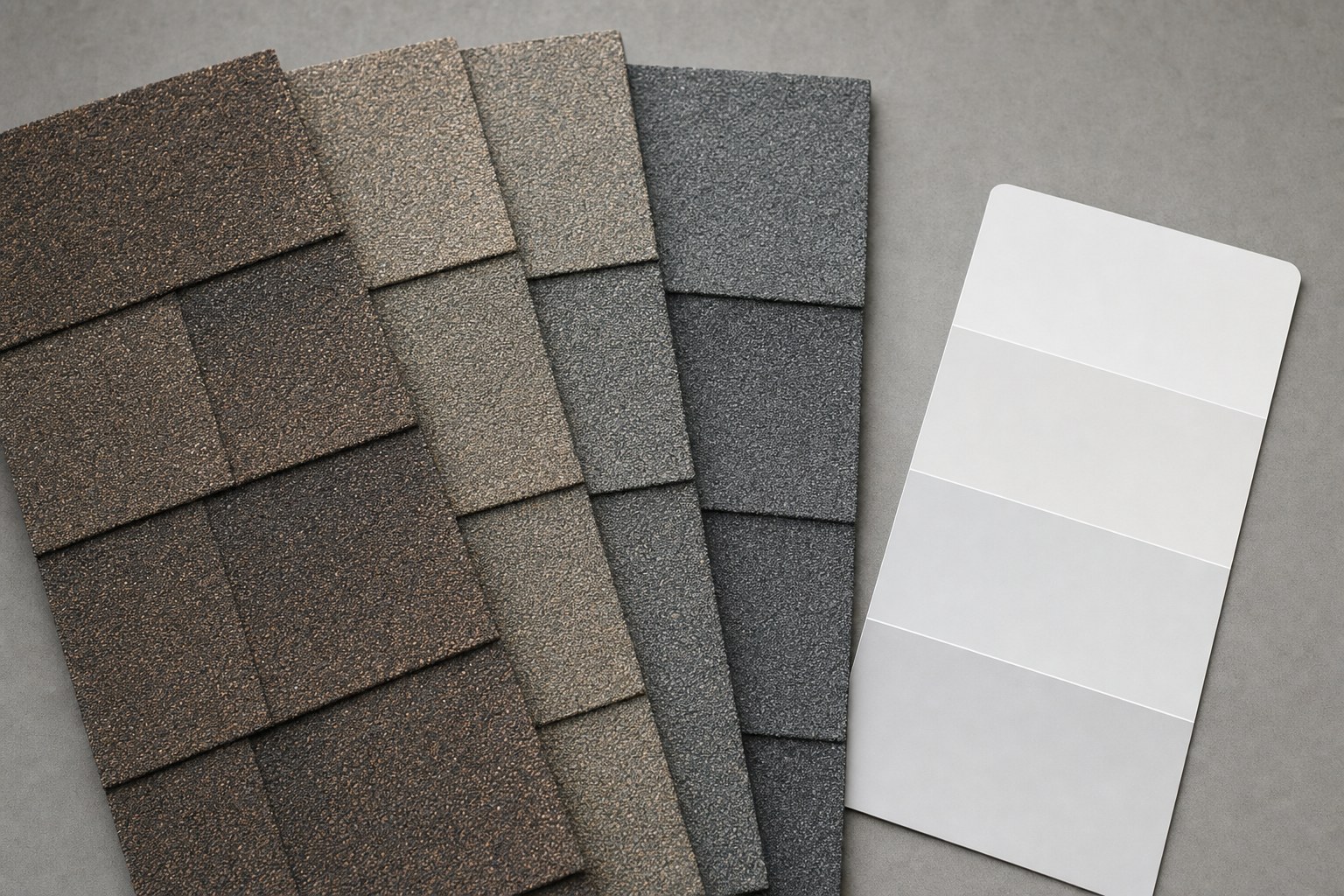
A complete ARC application in a typical Katy or Houston HOA includes:
- The current ARC request form, every field filled in
- A material specification sheet with product name, model number, color code, and hail/wind rating
- A physical color sample or manufacturer swatch (physical strongly preferred)
- A scope drawing or roof plan showing the project extent
- Proof of contractor general liability and workers’ compensation coverage
- A project timeline with start and completion dates
Most Katy communities use TownSq or Inframark portals for submissions. Written email confirmation of receipt is what starts the clock, so ask for that acknowledgment in writing the day the last document is uploaded.
How approved-palette rules affect roofing choices
The most common source of ARC denials on roofing jobs is a shingle color or profile that is not on the community’s current approved palette. Palettes rotate: a color that was on the approved list five years ago may have been retired, and using the previous roof’s exact color no longer guarantees approval.
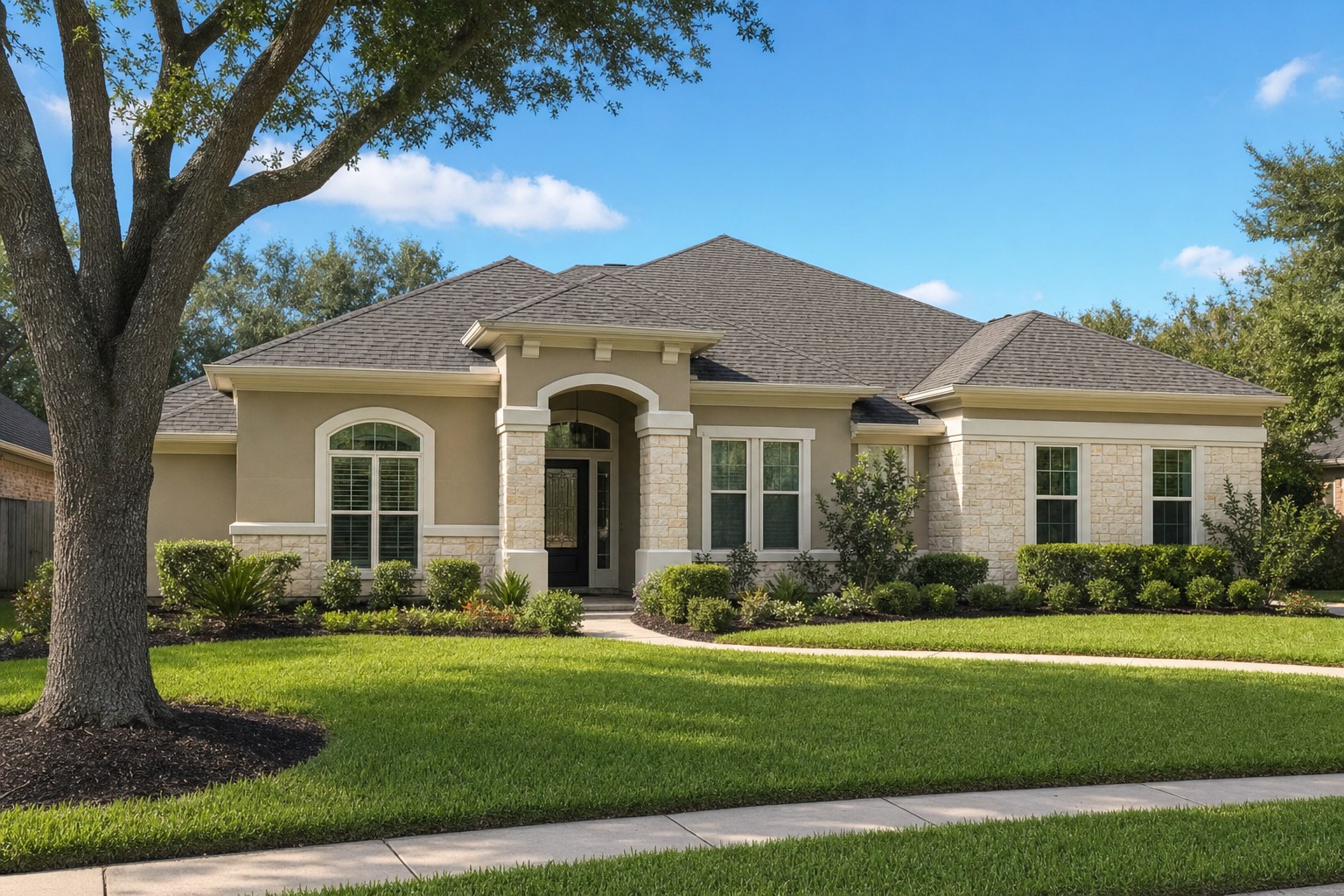
For roofing, the ARC typically wants the manufacturer brochure page for the exact product, the color code (not just the name — “Weathered Wood” from two manufacturers looks different on a roof), and a physical shingle sample. Request a physical sample from the roofer before submitting to skip the “we can’t tell from the digital sheet” round-trip.
Two useful cross-references from the DC Pines Education Center for the material side of the decision: the guide to common Houston roof myths and the guide to verifying a Houston roofing contractor’s license and insurance — the second one covers the exact insurance documents most ARCs require attached to the application.
Coordinating the roof, paint, and window colors together
ARC packets that move fastest treat the roof, paint, and window colors as one coordinated palette instead of three separate applications. Submitting a roof first and coming back six months later with a paint change forces the ARC to re-evaluate the whole visible exterior — and can flag combinations that would have sailed through together.
Even for a same-material re-roof, the DC Pines Education Center recommends attaching a note to the packet that reads “no change to trim paint, gutter color, or window frame color” — that single sentence prevents the ARC from opening a broader review of the exterior.
What to do if the ARC denies the request
An ARC denial in Texas must be in writing under §209.00503 and must reference the specific guideline the project violates. A vague denial is grounds to request written clarification. If the denial cites a specific guideline, two paths remain: modify the application to comply, or request reconsideration by the full board with additional documentation.
Reconsideration is most successful when the homeowner can show similar projects that have been approved recently. Photos, addresses, and dates of comparable approvals — usually available from the management portal — are the strongest supporting evidence. That is why the Education Center recommends photographing similar approved roofs in the neighborhood before submitting: if the same product and color already sits on a nearby house, the packet builds itself.
The Bottom Line
ARC approval in a Katy or Houston HOA is a paperwork problem, not a design one. The 30-day clock only starts when the packet is truly complete, the approved palette rotates, and written approval is the only thing that fully protects the homeowner later. Homeowners who front-load the packet — form, spec sheet, color sample, scope drawing, insurance, timeline — get answers in weeks rather than months and stay on schedule for the actual work.
Planning exterior work inside a Katy or Houston HOA?
DC Pines provides the manufacturer spec sheets, physical color samples, and insurance documentation Katy and Fort Bend ARCs actually require — packaged for the review portal, not for the field.