
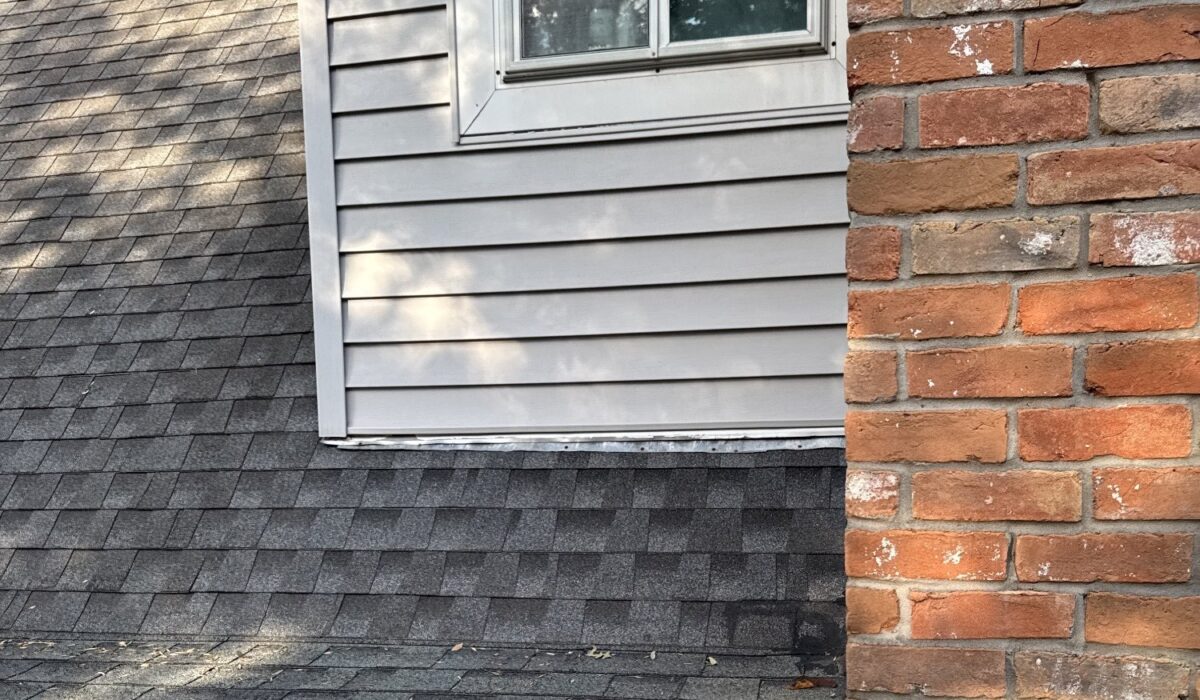
Once a Houston homeowner decides to replace windows, the next question is usually the one that surprises them: insert vs full-frame window replacement. Both methods put a new window in the wall, but they leave very different things behind. One keeps the existing frame, trim, and siding or brick in place. The other removes everything down to the rough opening.
The DC Pines Education Center wrote this guide to explain how each method works, when each makes sense on a Houston home, and what an estimate should check before anyone picks one.
What Insert Replacement Means
An insert replacement, sometimes called a pocket replacement, removes the old sashes and leaves the existing window frame in the wall. A new, custom-sized window unit slides into that frame, gets fastened and shimmed, and is sealed and trimmed on both sides.
- What stays: the original frame, interior trim, drywall returns, and exterior brick or siding.
- Why homeowners choose it: less disruption, faster installs, and no patching of trim, paint, or siding.
- The trade-off: the new frame sits inside the old one, so the glass area shrinks slightly. And if the old frame is damaged, an insert seals over that damage instead of fixing it.
What Full-Frame Replacement Means
A full-frame replacement removes the entire old window: sashes, frame, and usually the interior and exterior trim around it. That exposes the rough opening, meaning the wall framing, so the installer can inspect it, repair any rot, and flash the new window into the wall’s water-resistive barrier before setting it.
- Why homeowners choose it: the opening gets inspected and repaired, flashing starts fresh, and glass area can stay full size.
- The trade-off: more labor, plus more finish work around each opening, such as new trim and, on some walls, siding or drywall repair.
How Houston Walls Change the Decision
Brick-veneer openings
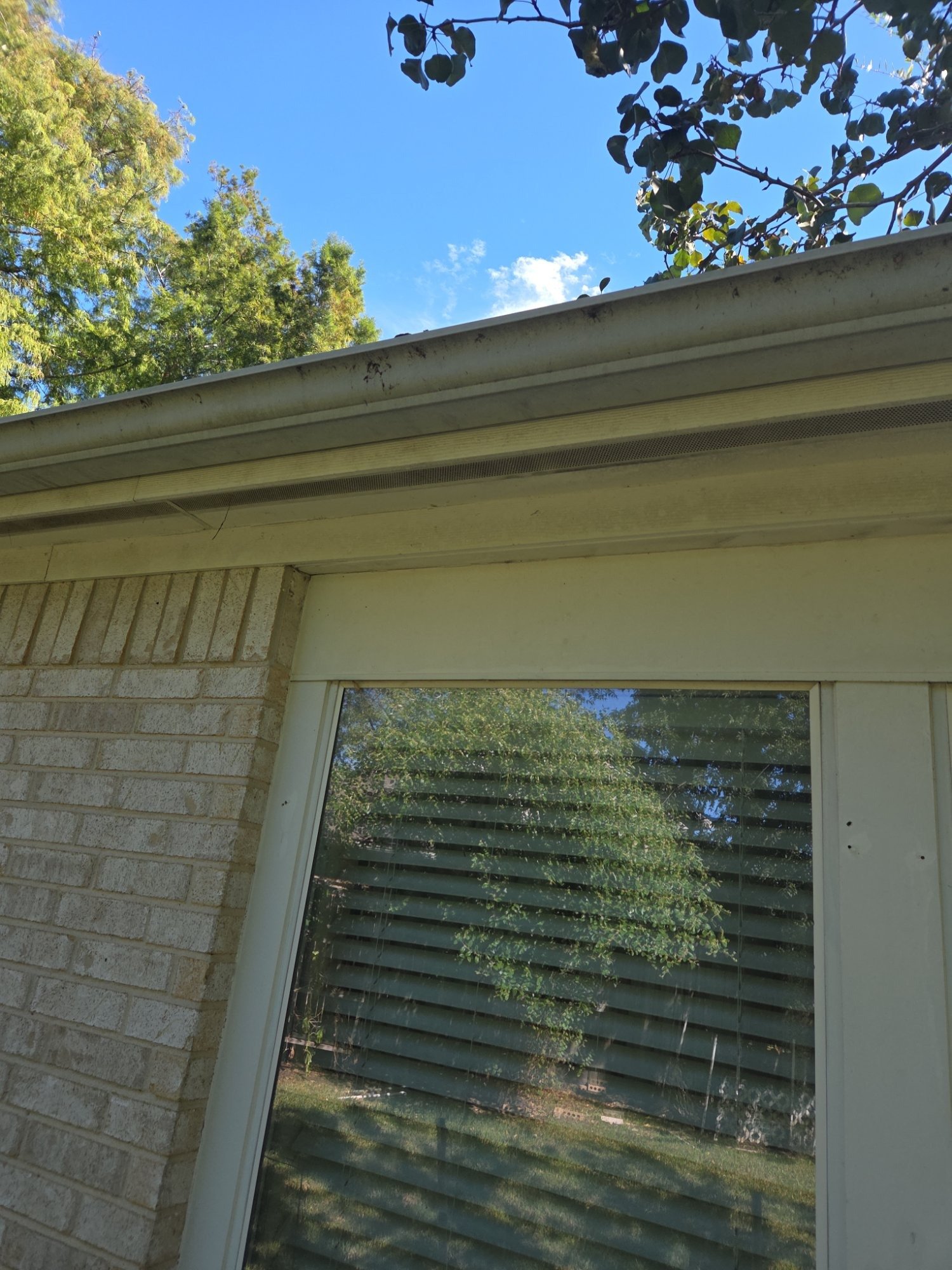
Many Houston homes have windows set in brick veneer. Removing a full frame from a brick opening means working around the brick returns and brick mold without cracking mortar, so the condition of the existing frame matters a lot. When the old frame is sound, square, and dry, an insert often makes sense in brick. When it isn’t, full-frame replacement is the way to address what’s behind it.
Siding walls
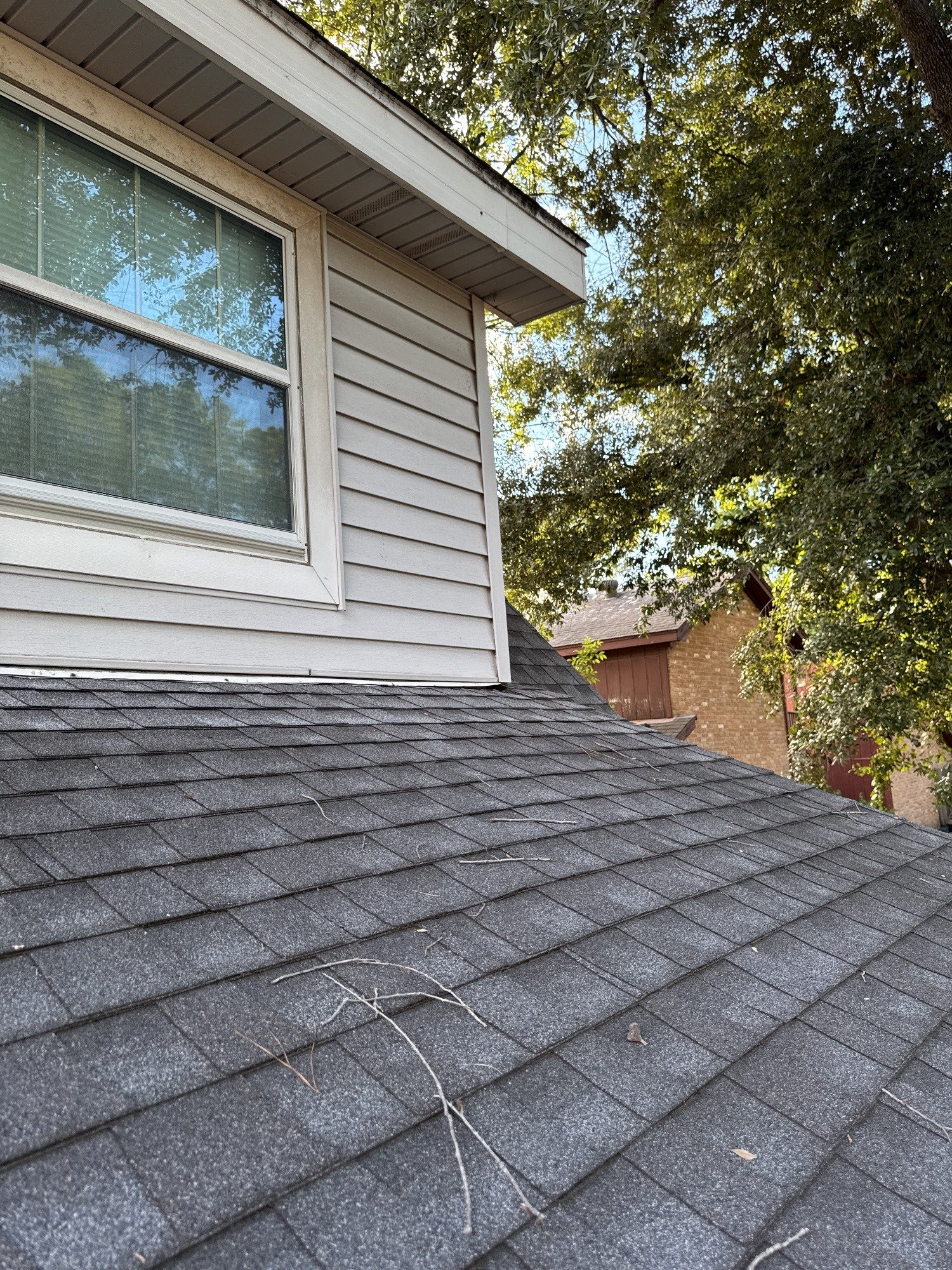
On a wall with lap siding, full-frame replacement is more straightforward. Siding and trim around the opening can be removed and reinstalled, and the new window can be properly integrated with flashing tape and house wrap. Second-story windows over a roof, like the one in the photo above, deserve extra attention. Water running down the wall reaches the roof-to-wall flashing, so a leak at the window can look like a roof leak.
Older aluminum windows
Many older Houston homes still have their original aluminum-frame windows. Those frames are often still structurally solid, but they conduct heat and can corrode at the sill. The Education Center’s guide to window frame materials in Houston explains why the frame material matters as much as the glass.
Signs the Opening Needs Full-Frame Replacement
- A sill that feels soft or gives a little when pressed.
- Water stains on drywall below or beside a window.
- Peeling paint, swollen trim, or gaps between trim and wall.
- A window that is visibly out of square, sticks, or won’t lock.
- A desire for a different size or style of opening, not just a new unit.
Fogging between the panes is a different problem. It means the sealed glass unit has failed, not necessarily the frame. The Education Center’s guide to double-pane seal failure covers what that symptom means.
Homes Built Before 1978
Older homes add a federal requirement. According to the EPA’s Renovation, Repair and Painting program for contractors, anyone paid to disturb paint in housing built before 1978 must be EPA Lead-Safe Certified. Window replacement is always covered, regardless of how little paint is disturbed. That applies to both insert and full-frame work, because removing sashes, stops, and trim typically disturbs painted surfaces. Homeowners in pre-1978 homes should confirm certification before work starts and should receive the EPA’s Renovate Right lead hazard pamphlet before the job begins.
What a Good Window Estimate Checks
At a DC Pines window estimate, every opening is measured and the condition around it is inspected before a proposal is written. The written proposal is priced per opening, with sizes and styles spelled out. That’s what makes the insert-or-full-frame decision an informed one: the frame, sill, and surrounding wall are looked at one window at a time, not assumed for the whole house. DC Pines windows are then custom-built to those measurements, and most whole-home installs are finished in one to two days once the windows arrive. Specifications are on the DC Pines windows page.
Frequently Asked Questions
Is insert or full-frame window replacement better?
Neither is better for every home. An insert works well when the existing frame is sound, square, and dry. Full-frame is the right choice when the frame or the wall around it is damaged, or when the opening size needs to change.
Do insert windows reduce the glass area?
Yes, slightly. The new frame sits inside the old one, so the visible glass is a little smaller than with a full-frame replacement.
Can insert and full-frame replacement be mixed in the same house?
Yes. The method can be chosen opening by opening, based on the condition of each frame and wall.
Does window replacement in an older Houston home require lead-safe work practices?
For homes built before 1978, yes. EPA rules treat any paid window replacement in pre-1978 housing as covered renovation work that requires a Lead-Safe Certified firm.
Can a leaking window be fixed with an insert replacement?
Only if the leak is in the old window itself and the frame and wall are dry and sound. If water has already damaged the sill or framing, full-frame replacement allows that damage to be repaired.
The Bottom Line
Insert replacement is faster and less disruptive, and it works well over sound frames. Full-frame replacement costs more labor but lets the installer see and fix the wall behind the window. In Houston, brick or siding, frame condition, and the age of the home usually decide it, one opening at a time.
Written by the DC Pines Education Center for Jeff Ternois, Army veteran and owner of DC Pines Roofing.
Not sure which method fits your windows?
A DC Pines window estimate measures every opening, inspects the condition around it, and spells out the price per opening in writing.

Jeffrey Ternois
Jeff Ternois is the owner and founder of DC Pines Roofing, a veteran-owned roofing, gutter, and window company in Houston. A former U.S. Army Infantry Captain, he led an infantry platoon in Afghanistan and was awarded the Bronze Star Medal and the Combat Infantryman Badge. After the Army he earned an MBA focused on real estate and learned homebuilding from the studs out before founding DC Pines. DC Pines Education Center guides are published under his direction.