Roofing is a home-services trade where the quality of the finished work depends on the quality of communication that happened before the first bundle of shingles hit the deck. The DC Pines Education Center exists to help Houston homeowners understand what separates a well-run project from a project that leaves questions unanswered — and one of the quietest but most decisive factors is how well the crew, the office, and the homeowner can talk to each other.
Houston is one of the most linguistically diverse metros in the United States. According to the U.S. Census Bureau’s American Community Survey language tables, more than a third of Harris County residents speak a language other than English at home. That reality shapes how a modern Houston roofing crew has to work — and it is why DC Pines Roofing operates as a fully bilingual English-and-Spanish organization from the sales floor to the crew leader radio.
Why Bilingual Communication Is a Quality-Control Feature
On a roofing project, a single misheard instruction can turn into a warranty issue years later. A step-flashing tucked the wrong direction, a nail count adjusted for the wrong wind zone, a starter strip left off a rake edge — none of these are exotic mistakes. They are the mistakes that happen when the person giving the instruction and the person receiving it are working in different first languages and nobody in the middle can bridge the gap.
DC Pines treats bilingual communication as a quality-control mechanism, not a soft skill. The project manager who scoped the job, the crew leader who runs the tear-off, and the office staff who track material deliveries can all hand off details in the language where the receiving person is most confident.
The Morning Briefing Sets the Whole Day
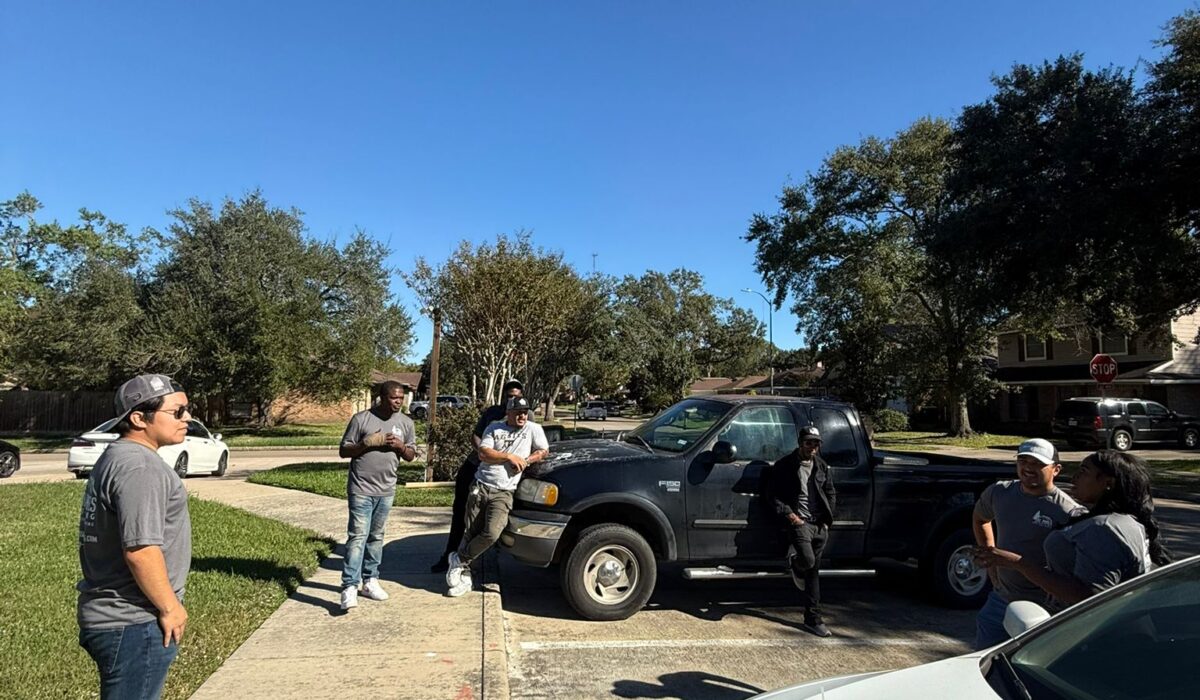
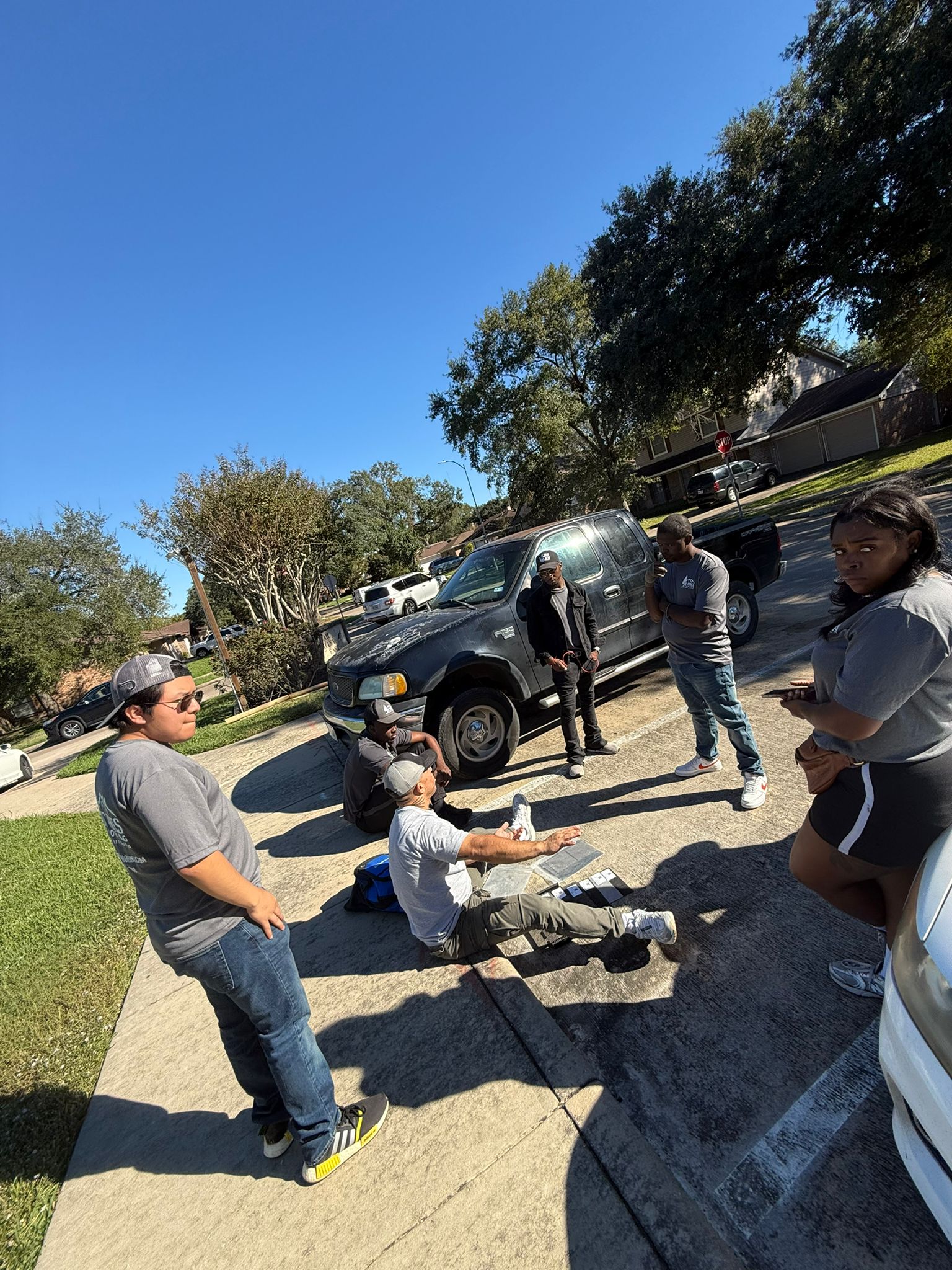
Before a Houston install begins, the crew huddles in the driveway to review the scope, the sequence, the safety plan, and the homeowner’s specific requests. This is the moment where a bilingual operation earns its keep. Rather than translating on the fly halfway through the tear-off, the crew leader can walk through every detail — nailing pattern, valley method, ridge vent length, homeowner’s landscaping concerns — in the language every crew member fully understands.
That briefing is not a five-minute pep talk. It is a documented walk of the roof and the ground protection plan, and homeowners usually watch it happen through a front window. It takes twenty or thirty minutes on a well-run job because the crew leader is making sure every person on the roof carries the same set of expectations. In a bilingual crew, that alignment is not diluted by language drift.
Homeowner Communication in the Homeowner’s Language
Nearly every Houston roofing conversation includes a homeowner who has a preferred language for detailed technical discussion, and it is not always the language they use for small talk. A homeowner can be perfectly comfortable in English at a restaurant but strongly prefer to review a contract, warranty terms, and material choices in Spanish — or vice versa. DC Pines’ bilingual estimators and project managers let the homeowner control that choice, without an awkward hand-off to a family member acting as an unpaid translator.
This matters most at three specific moments: reviewing the initial estimate line-by-line, walking the final punch list with the homeowner, and explaining the manufacturer warranty registration paperwork. Any of those three, done in the wrong language for that particular homeowner, is a moment where trust and clarity erode. Doing them in the homeowner’s chosen language is one of the reasons a bilingual roofing crew in Houston earns repeat referrals in neighborhoods where prior contractors did not.
The Neighborhoods Where This Shows Up
Bilingual capability is not just a nice-to-have on the far east side of the metro. It shapes how a roofing company can serve places like Alief, Spring Branch, Gulfton, Pasadena, Sharpstown, north Aldine, and stretches of East End — but also how it serves multigenerational households in Katy, Cypress, Sugar Land, and The Woodlands, where an aging parent may speak one language at home while the adult children handle logistics in another. The DC Pines Education Center has covered how Houston’s clay soil affects home exteriors and how Houston heat ages an asphalt shingle roof. Every one of those neighborhoods has residents who deserve to hear those explanations in the language they think most clearly in.
That is what the phrase “serving Houston” actually means in practice: showing up ready to conduct the entire project — sales, contract, install, punch list, warranty — in the language the homeowner uses to make important decisions.
Culture Beyond the Jobsite
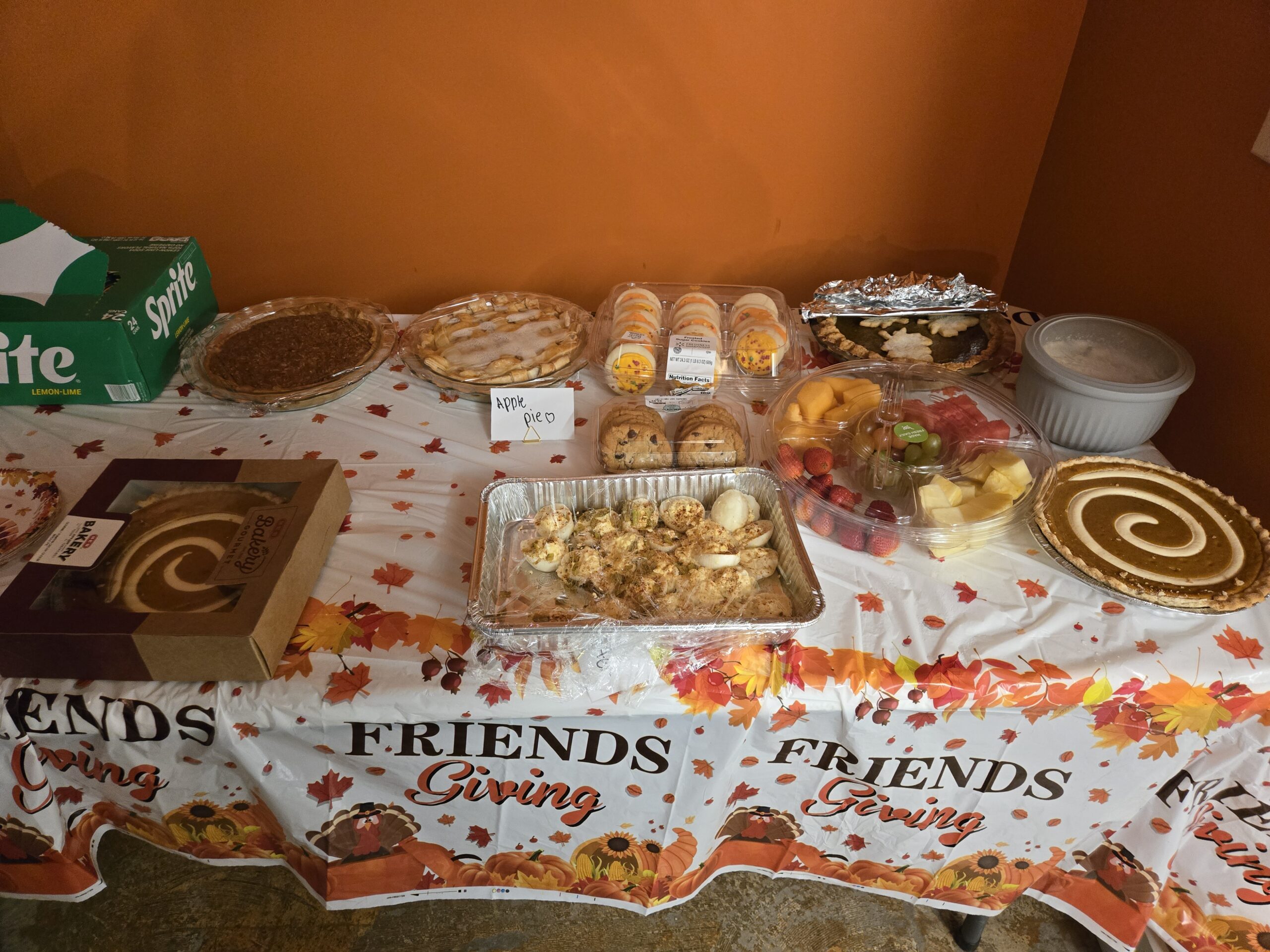
A crew that communicates well on the roof does not appear out of nowhere. It reflects a company culture where language, background, and experience are treated as complementary strengths instead of hurdles. DC Pines invests in team meals, seasonal traditions, and off-hours gatherings where the same crew that huddles in a Houston driveway at 7 a.m. shares a meal together later in the year. Those moments are not window dressing. They are the reason a Spanish-first tear-off lead and an English-first project manager finish each other’s sentences on the third house of a busy week.
Why It Matters for Houston Homeowners
A homeowner comparing two roofing quotes rarely asks “is this crew fully bilingual?” But the answer shapes everything the homeowner will experience over the following ten to fifteen years of that roof’s life: whether the punch list gets closed cleanly, whether the warranty gets registered correctly, whether the crew who returns for a service call in year seven knows what was installed in year one because the notes were written by someone who understood exactly what the crew leader said on install day.
Bilingual capability is one of the least-marketed but most consequential differentiators a Houston roofing company can bring to the table. For a homeowner picking a contractor for a project that will outlive most of the appliances in the house, it is worth asking.
Frequently Asked Questions
Does DC Pines Roofing serve homeowners who prefer to communicate in Spanish?
Yes. DC Pines operates as a fully bilingual English-and-Spanish organization. Estimators, project managers, and crew leaders can walk through the scope, contract, punch list, and warranty registration in whichever language the homeowner is most comfortable with.
Where in the Houston area does DC Pines Roofing operate?
DC Pines serves greater Houston, including Katy, Cypress, Spring, The Woodlands, Sugar Land, Pearland, Bellaire, Cinco Ranch, Kingwood, Clear Lake, Memorial, Sharpstown, Spring Branch, and surrounding communities inside and outside Beltway 8.
How does a bilingual crew actually improve the quality of a roofing project?
Communication gaps are one of the top causes of installation defects. When crew leaders can brief every crew member in the language they think most clearly in, details like nailing patterns, flashing directions, and ventilation counts are less likely to be lost in translation between the estimate and the finished roof.
What should a Houston homeowner ask a contractor about crew communication?
Ask whether the on-site crew leader, the project manager, and the office staff can all handle detailed technical discussion in the homeowner’s preferred language. Ask who will conduct the final walk-through. And ask who will handle warranty registration paperwork, since that step is often mishandled when it is delegated to someone unfamiliar with the manufacturer’s requirements.
Does DC Pines Roofing provide the same experience regardless of which language the homeowner prefers?
Yes. The DC Pines standard is that every homeowner receives the same detailed estimate walkthrough, install-day briefing, punch-list review, and warranty documentation — in the language the homeowner chooses to conduct that conversation in.
Meet the Houston homeowners’ choice for veteran-owned, bilingual craftsmanship.
DC Pines brings the same commitment to clear communication and quality on every job across greater Houston.